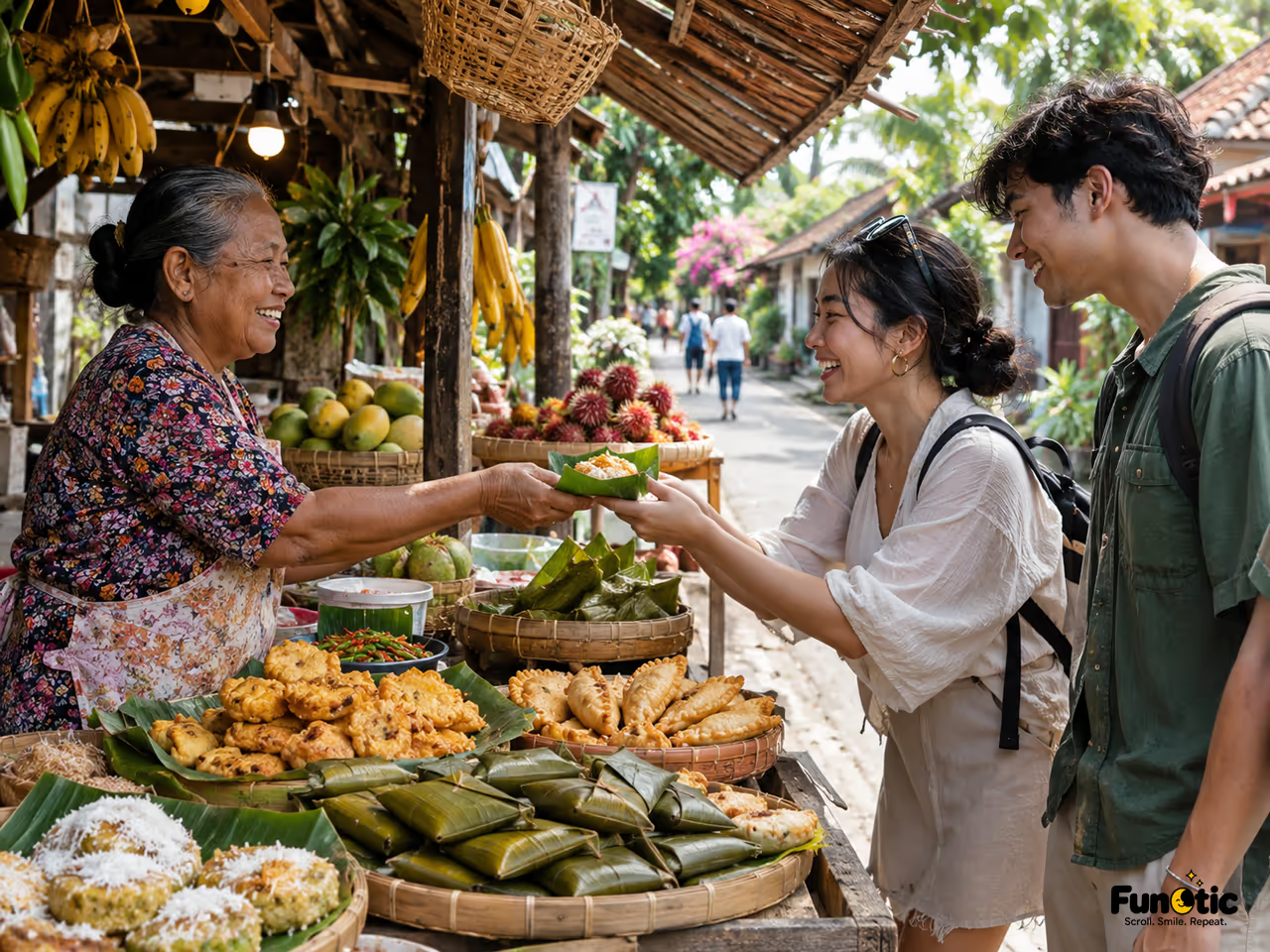

Vintage travel souvenirs can hold more meaning than a mass-produced keepsake, especially when they reflect the place you visited. Look for objects with a clear local connection, a story you can verify, and a size you can carry home safely.
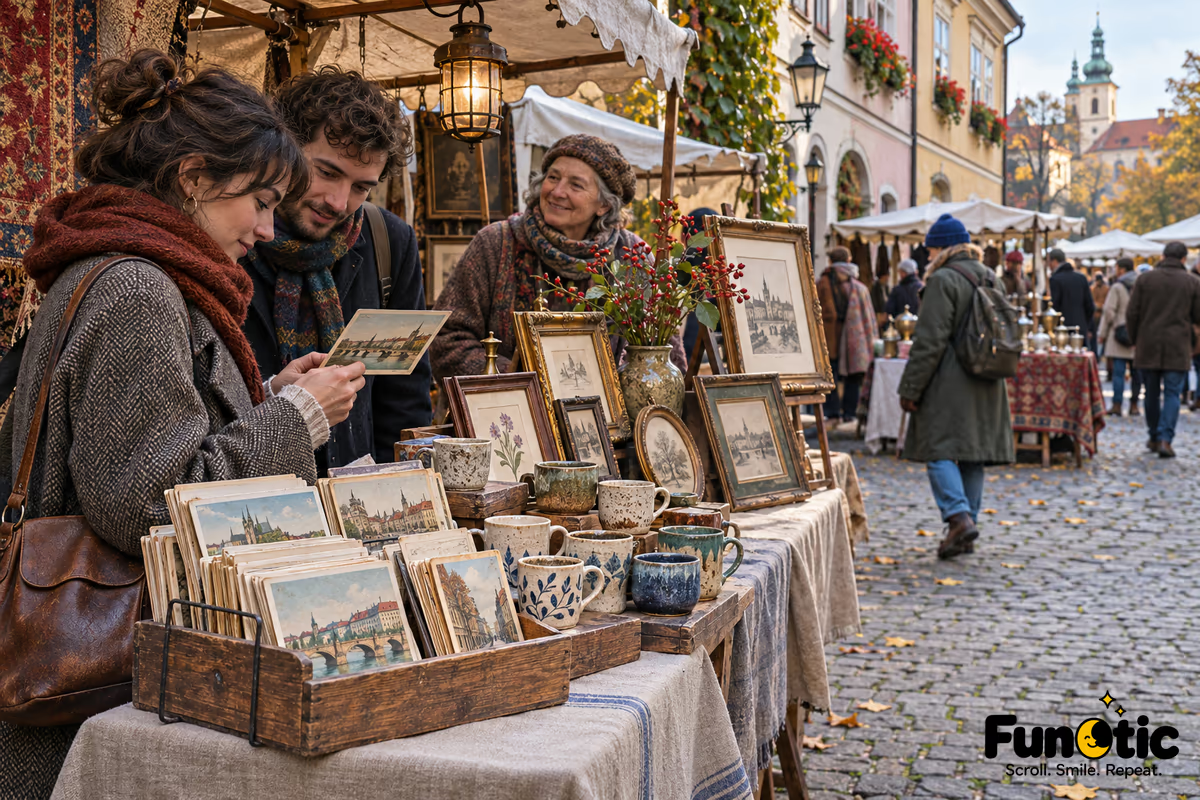
Find vintage travel souvenirs in local neighborhoods
Search for flea markets, charity shops, antique arcades, book stalls, and independent craft markets near the places you are already visiting. Ask your hotel or a shopkeeper which market is actually used by residents and what day it runs. A famous market may be enjoyable, but quieter stalls often give you more time to ask questions.
British Airways included “vintage junkets” among its 2026 travel trends, reflecting interest in secondhand finds and older objects. The best approach is still local and specific: a regional cookbook, an old city map, a neighborhood print, or a small object made by a nearby craftsperson.
Check what makes the item local
Ask where it was made, how old it is, and whether the seller knows its previous owner or use. Vintage travel souvenirs are easier to value when the maker, material, or place can be identified. For a print or postcard, a place name, artist signature, or familiar street can make the connection clear. For ceramics and textiles, ask about the maker, material, and care. A thoughtful seller can usually explain what they know and will be direct about what they cannot verify.
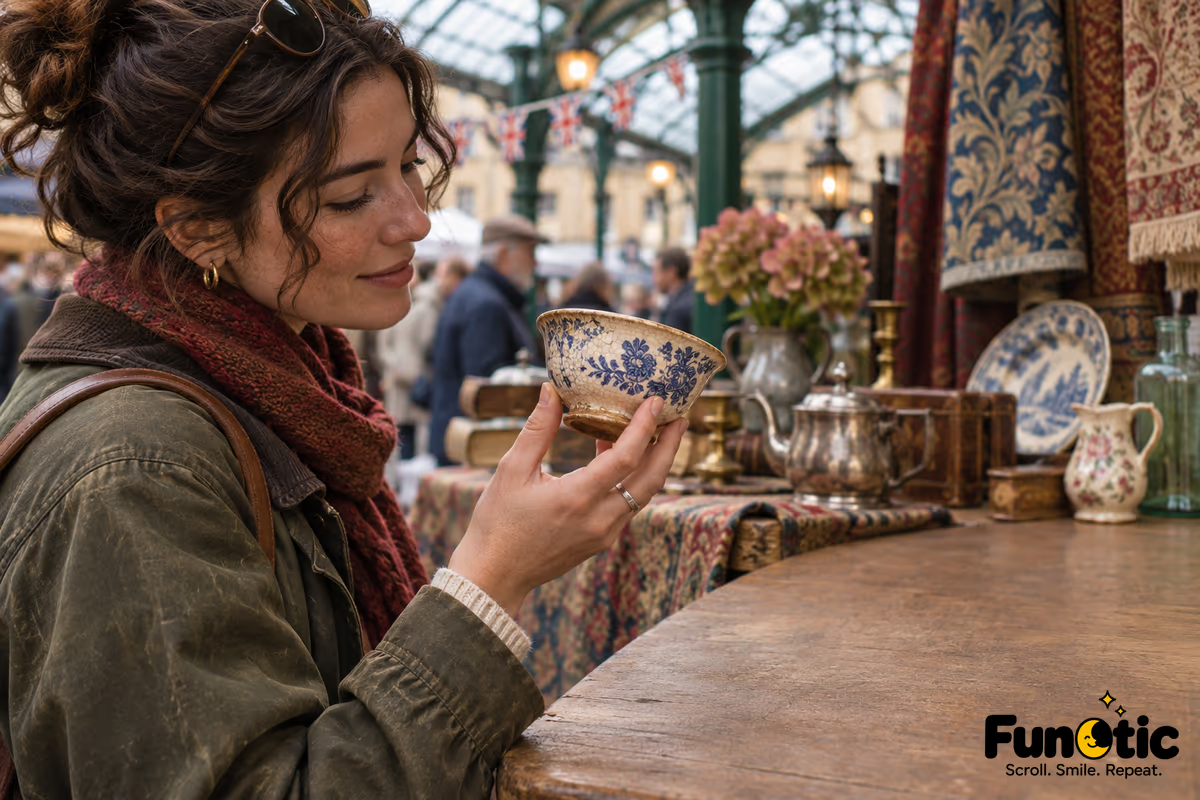
Be cautious of claims like “rare” or “antique” without details. Compare similar pieces at nearby stalls and look for condition issues such as loose handles, damp marks, fading, or repairs. If an object is valuable, ask for a receipt that describes it accurately.
Choose something you will use or display
A local cookbook can bring a dish back to your kitchen. A modest print may fit a frame you already own. A secondhand guidebook can show how a city described itself decades ago. Before buying, picture where the item will go at home. Vintage travel souvenirs are most satisfying when they have a useful place in your home. If it has no clear place, a few photos and a story from the trip may be enough.
Carry it home responsibly
Check baggage limits and customs guidance before you buy food, plants, animal products, antiques, or anything made from protected materials. Rules vary by destination, and a market seller may not know what can cross a border. The US Customs and Border Protection travel guidance explains common restrictions for visitors arriving in the United States. UK and European Union travelers should check their own government’s current rules as well.
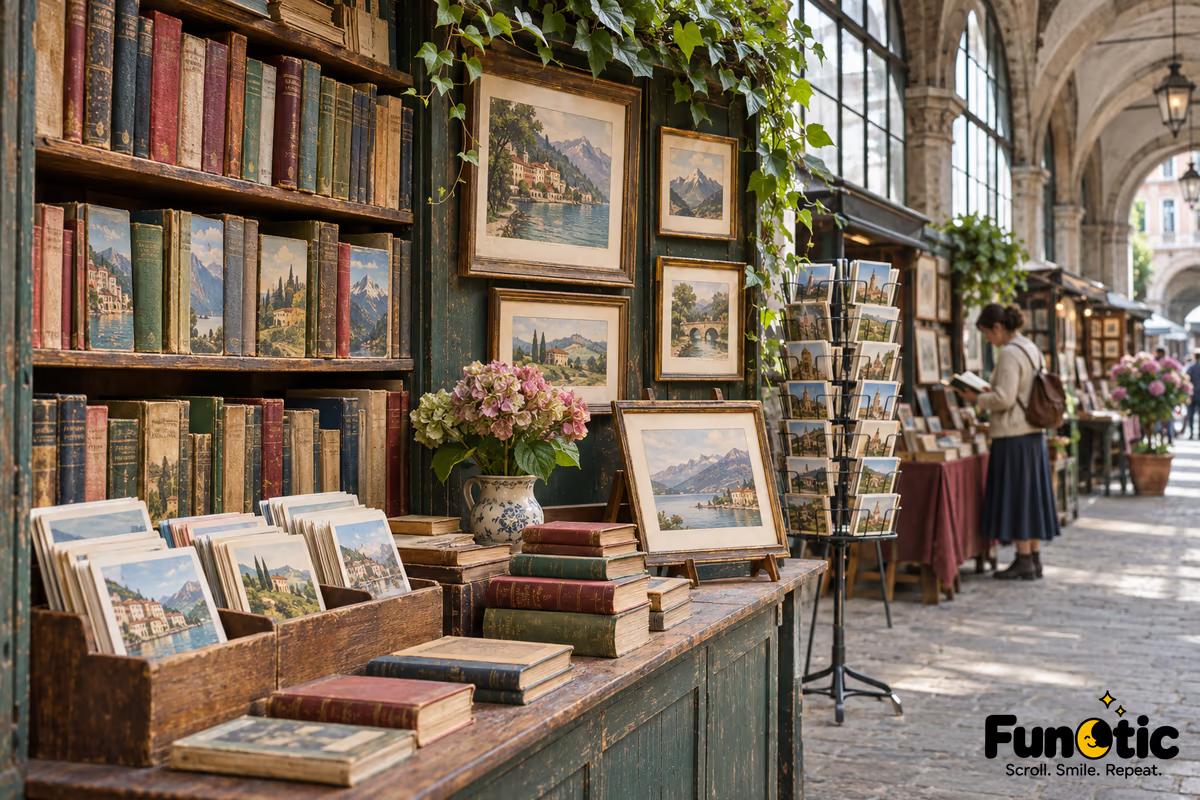
For fragile pieces, ask the seller to wrap them and keep the item in your cabin bag if possible. Photograph the purchase and its receipt before leaving the market. If it needs specialist packing, check the cost before you agree.
A useful market checklist
- Ask where and by whom the object was made.
- Inspect it in natural light and check for repairs.
- Compare prices at nearby stalls before deciding.
- Confirm it can be packed and brought across the border.
- Choose an item that fits your home and your budget.
When planning a market day, build the route around a few walkable stops instead of rushing across town. The same easy pace works on a rail outing too. Our guide to planning a scenic train day trip offers ideas for leaving enough time to explore once you arrive.
A good vintage souvenir does not need to be expensive or perfectly preserved. It should connect to a real place, suit the way you live, and remind you of a conversation, a street, or a day you enjoyed.