

A sleepcation sounds simple: book a room, cancel the alarms, and let the weekend slow down. The catch is that a hotel marketed around rest can also come with a premium price, a late-night restaurant downstairs, or a schedule of spa add-ons you never planned to use. A better sleepcation starts with seven practical questions before you book.

Interest in sleep-focused trips has been building for several years. Hilton’s 2024 trends report identified rest and recharging as the leading reason respondents wanted to travel that year, and noted hotels responding with sleep-focused amenities such as pillow menus. A survey describes traveler preferences; it does not show that a hotel stay improves sleep. Read Hilton’s 2024 sleep-travel findings for context.
Seven checks to make before you reserve
1. Can you find recent details about noise?
A sleepcation does not need to be a silent retreat. The goal is to reduce avoidable surprises that can disrupt your plans.
Look beyond a hotel’s general description. Recent guest comments may mention street traffic, lifts, event rooms, thin walls, or construction. A room facing a courtyard may be quieter than one above a restaurant, but ask the hotel if the listing does not say. If you are sensitive to sound, request a room away from lifts and event spaces, then confirm the request directly.
2. Can the room be made dark and comfortable?
Check photos and room details for curtains, adjustable lighting, and climate controls. A beautiful room is not automatically a comfortable one. If you have a preferred pillow or sleep mask, bring it rather than relying on a hotel’s claims about a pillow menu.
3. What is included in the rate?
Compare the full cost, not only the nightly price. Check taxes, resort or destination fees, parking, breakfast, spa access, and cancellation terms. Some sleep-themed stays bundle services that you may not use. Price a standard room and any package separately so you can see what the extras add.
4. Will the location help you slow down?
A remote retreat can be peaceful, but only if getting there does not add a stressful transfer or an expensive car rental. A quiet hotel near a park, waterfront, or walkable town centre can provide a change of scenery without a complicated itinerary. Check the route from the station or airport before you book.
5. Can you eat without turning the weekend into a project?
Look for nearby cafés, room service hours, or a simple breakfast option. A sleepcation loses its easy rhythm if every meal requires a long drive or advance reservation. If you have dietary needs, confirm that the hotel or nearby restaurants can accommodate them.
6. Which amenities are useful to you?
Hotels may offer blackout curtains, sound machines, spa treatments, guided relaxation, or special bedding. Decide which amenities matter before paying for a package. An ordinary quiet room may be enough. If a specific feature is the reason for booking, confirm that it will be available during your stay and ask whether it costs extra.
7. Can you leave room in the schedule?
A weekend of timed treatments, workouts, and restaurant bookings can feel like another itinerary. Choose one optional activity each day and leave the rest open. The point is to make rest possible, not to turn it into another goal to complete.
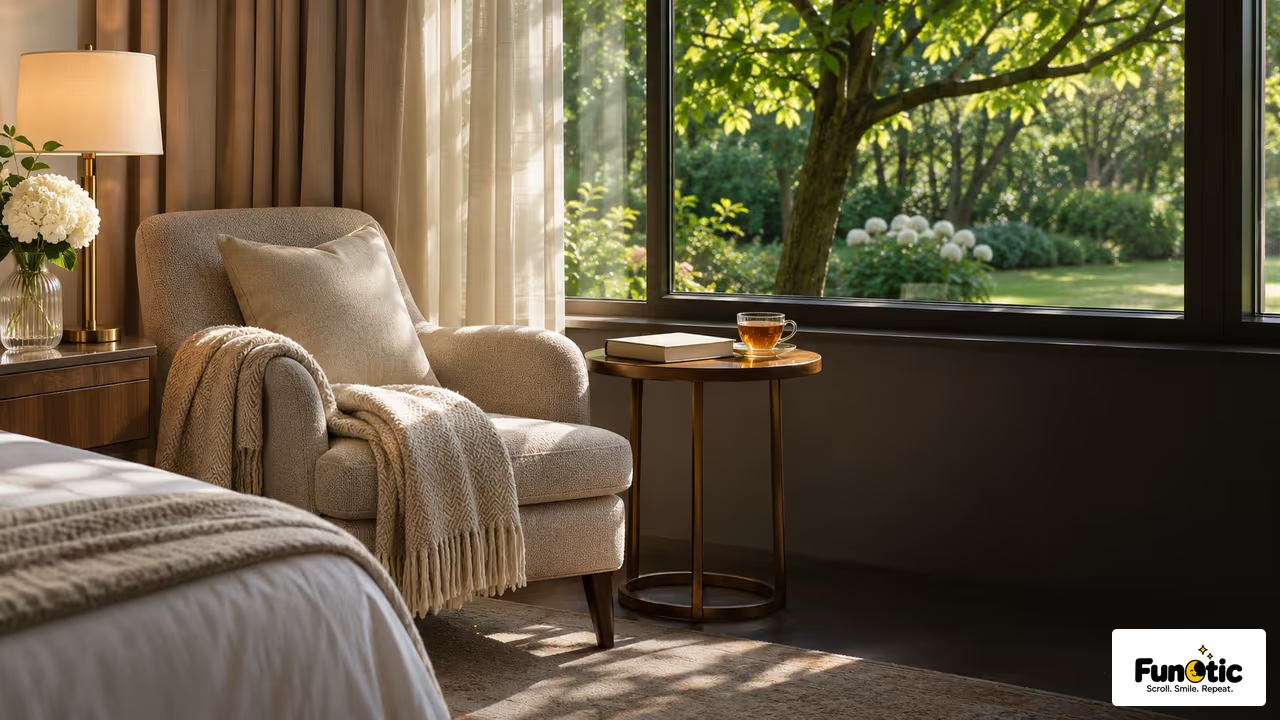
A low-pressure sleepcation: two-night plan
Arrival evening: Check in, unpack, and find one nearby place to eat. Avoid booking a late activity that makes the first night feel rushed. If you arrive early, ask whether the hotel can store your bags rather than paying for an upgrade solely to enter the room sooner.
Full day: On a sleepcation, pick one gentle anchor, such as a long breakfast, a walk, a museum visit, or a pool session. Keep the rest flexible. If the weather changes, have an indoor alternative in mind, but avoid filling every hour with backup plans.
Departure morning: Leave enough time for breakfast and checkout. A late checkout can be convenient, but compare its cost with simply taking a slower morning before the standard checkout time.
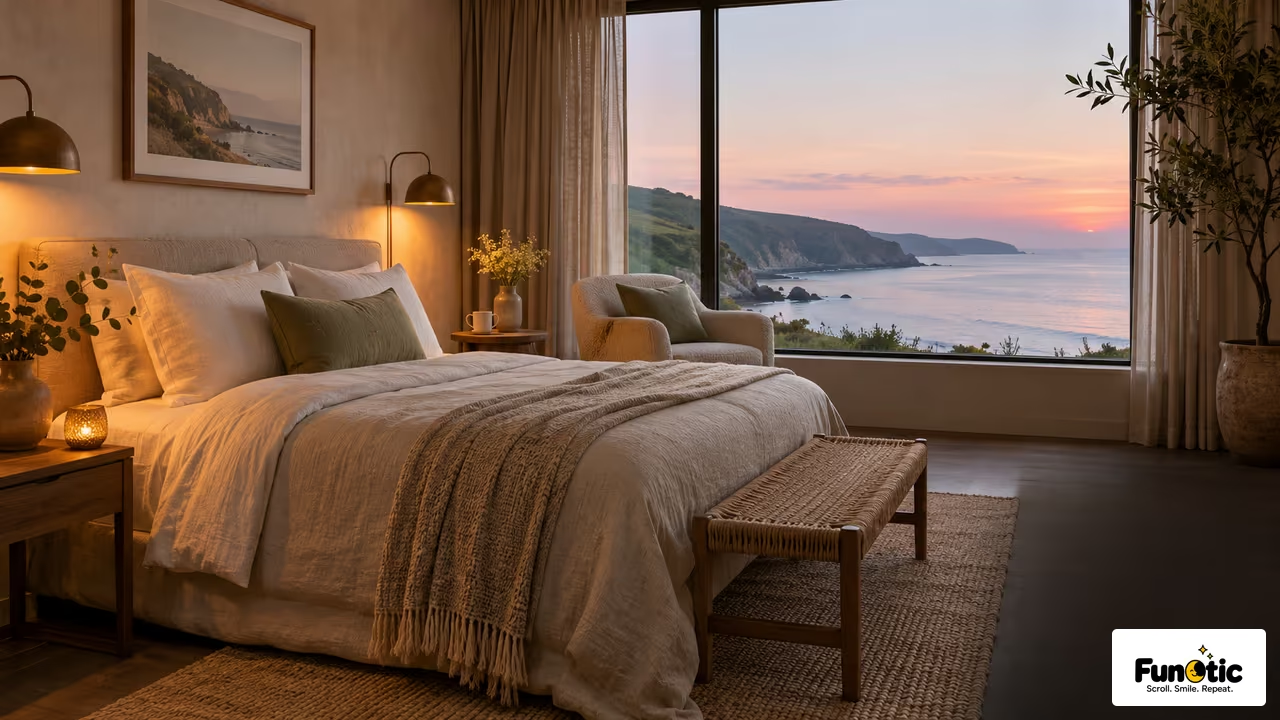
Make the price work for you
Before booking your sleepcation, compare weekday and weekend dates, check the hotel’s direct rate against a booking site’s total, and read the cancellation terms before paying. If a sleep suite costs much more, list the included features and decide whether you would buy each one separately. A package is only good value when it includes things you actually want.
A sleepcation is not a treatment for a sleep disorder, and one hotel stay cannot guarantee better sleep. Think of it as a slower kind of break, with a room and plan that suit your preferences. If you want a trip with more sightseeing, Funotic’s guide to places to explore in Nice offers a different pace for a short city stay.
For general guidance on healthy sleep habits, see the Centers for Disease Control and Prevention’s sleep guidance.