
A personal item bag can work for four days when its packed size fits every airline on the itinerary. The challenge is not to cram until the zip strains. It is to create a compact, repeatable list that fits the smallest bag allowance on your itinerary, including the return journey.
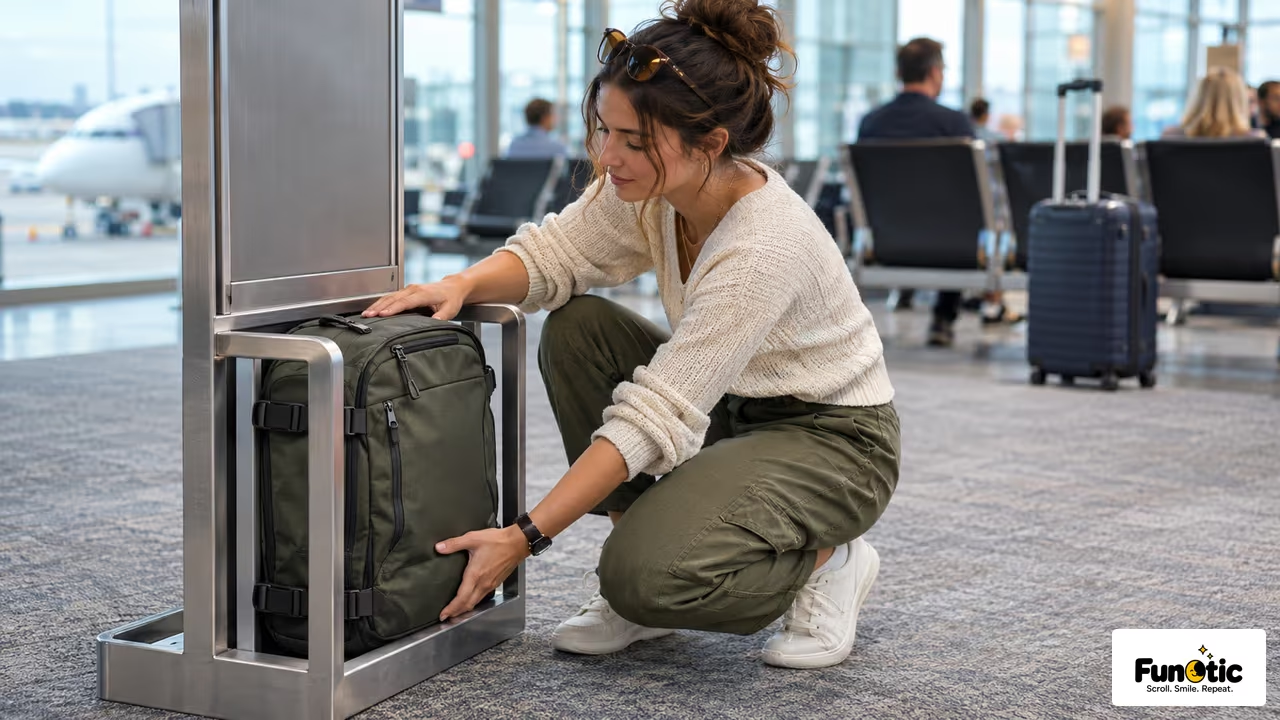
The personal item works best when you measure its full packed shape before check-in. Measure the personal item again after adding last-minute essentials.
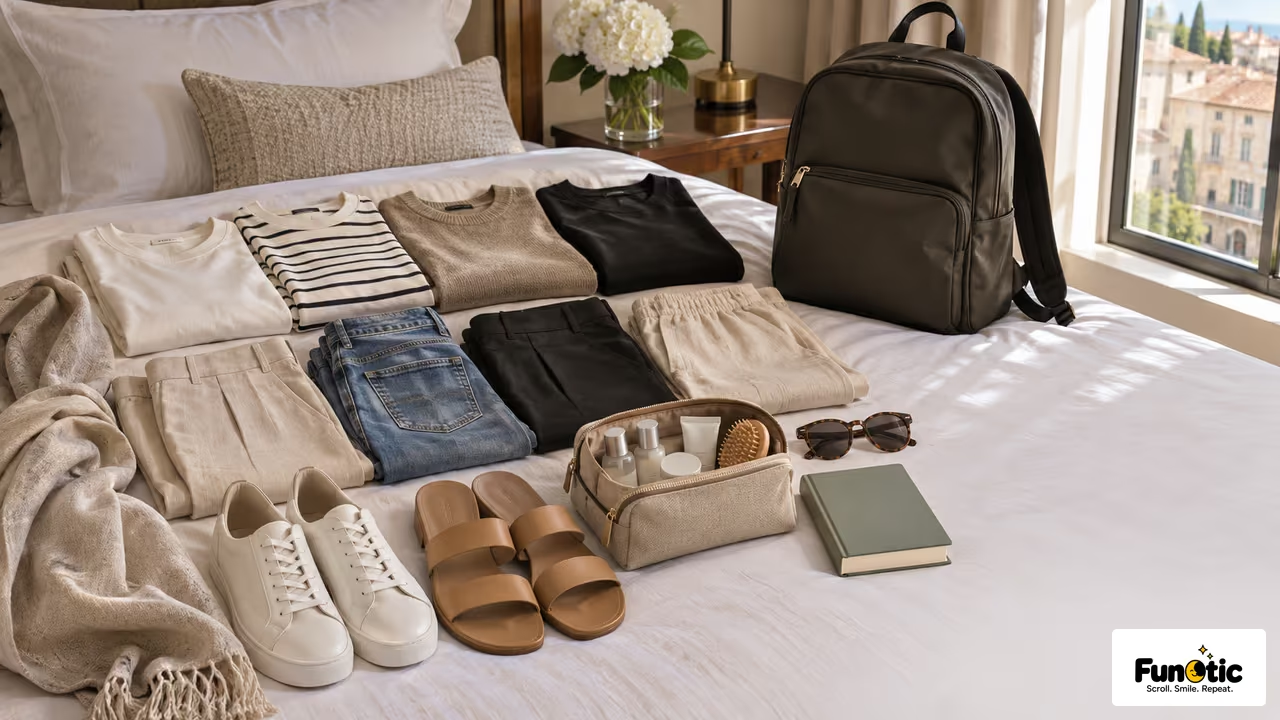
Build your personal item packing list
“Personal item” is not one universal size. Ryanair’s current help page lists a small bag up to 40 × 30 × 20 cm, which must fit under the seat. British Airways lists a personal item up to 40 × 30 × 15 cm. easyJet permits a small under-seat bag up to 45 × 36 × 20 cm. These examples show why a bag that works on one ticket may fail on another. Measure it when full, including handles, wheels, bulging pockets and anything attached outside.
Allowances can change, and the ticket type matters. Check the airline’s own page and your booking confirmation shortly before departure. A personal item is separate from a larger cabin bag on some fares, while other fares include only the under-seat item without an upgrade.
The four-day packing list
- Wear the bulkiest shoes and outer layer in transit.
- Pack four tops, two bottoms and enough underwear and socks for the trip, adjusting for laundry access and the activities planned.
- Choose one sleep outfit and a thin layer that works in changing temperatures.
- Use travel-size toiletries within current airport security rules, or buy nonessential liquids after arrival.
- Keep medication, documents, chargers and any required glasses accessible.
- Leave space for a compact laundry bag and one small souvenir.
That is a starting list, not a prescription. A formal event, cold climate, sports gear or mobility need can make a personal-item-only trip unsuitable. Keep medical necessities and genuinely important items in the plan rather than treating them as optional clutter.
Use a packing order that exposes the problem early
Put the shoes and heavier items at the base, roll soft clothes around them, and place documents and electronics where they can be reached without unpacking everything. Fill the bag once, then test it in a simple cardboard rectangle matching the airline dimensions. If it needs force to fit, remove an item or choose a larger paid allowance before travel. Do not rely on a soft bag being accepted just because it can be squeezed into a sizer.
Run the challenge against your real itinerary
Write down each flight and its allowance. Use the strictest one as your target. Add the weather forecast, dress code, planned activities, and whether you can wash clothes. Then take a photo of the packed bag beside a tape measure. That gives you a useful repeatable record and makes it easier to spot overpacking next time.
If you are comparing basic fares, include any bag upgrade in the trip total. A slightly larger allowance can be worth paying for if it prevents stress, protects essential items, or lets you bring weather-appropriate clothes. The “free” option is not automatically the best value if it does not fit the trip.
Make the last check before leaving
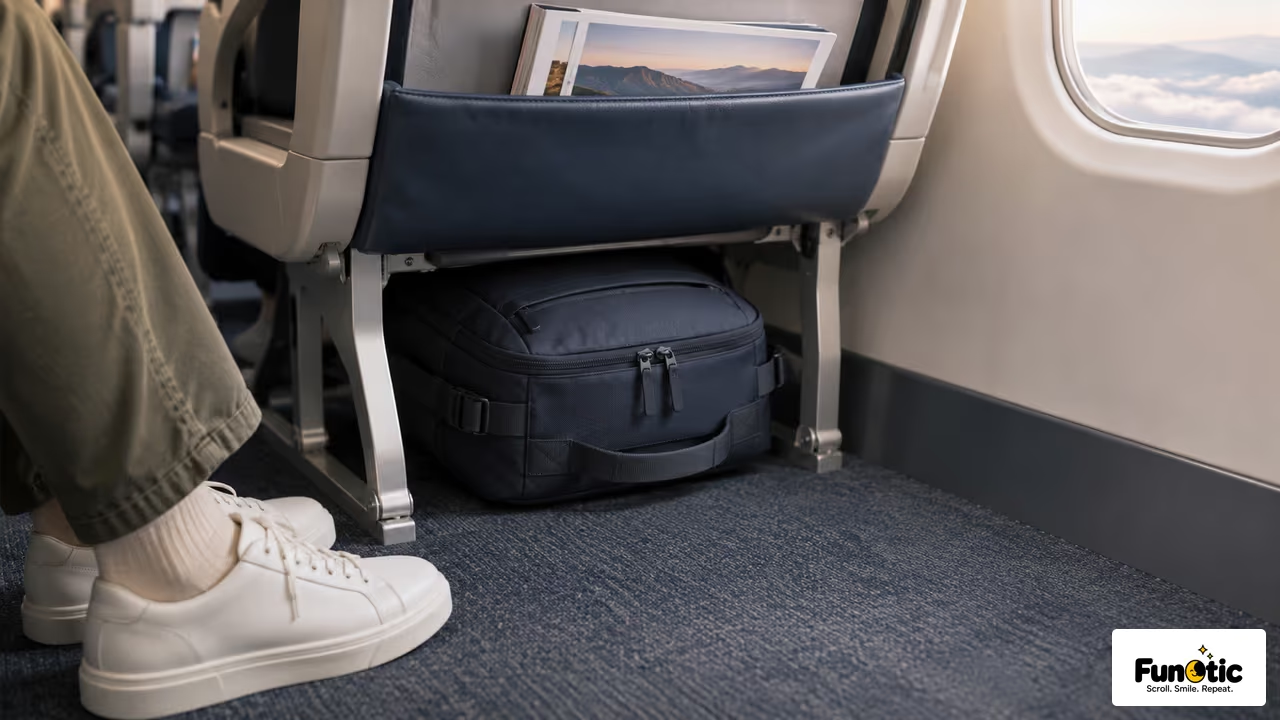
Confirm dimensions on the airline’s current baggage page, weigh the bag if the carrier has a weight limit, and keep liquids and electronics ready for security. Check both legs and every airline on a codeshare or multi-carrier itinerary. For the broader cost of the ticket, use Funotic’s hidden flight fee comparison.
One personal item can cover four days when the weather is mild, the itinerary is simple and the bag allowance is generous enough. The smart test is whether it fits your plans and the sizer, not whether it wins a packing stunt.
Sources: Ryanair bag rules, British Airways baggage essentials, easyJet cabin bag allowance.
Explore more Funotic travel guides for related ideas.