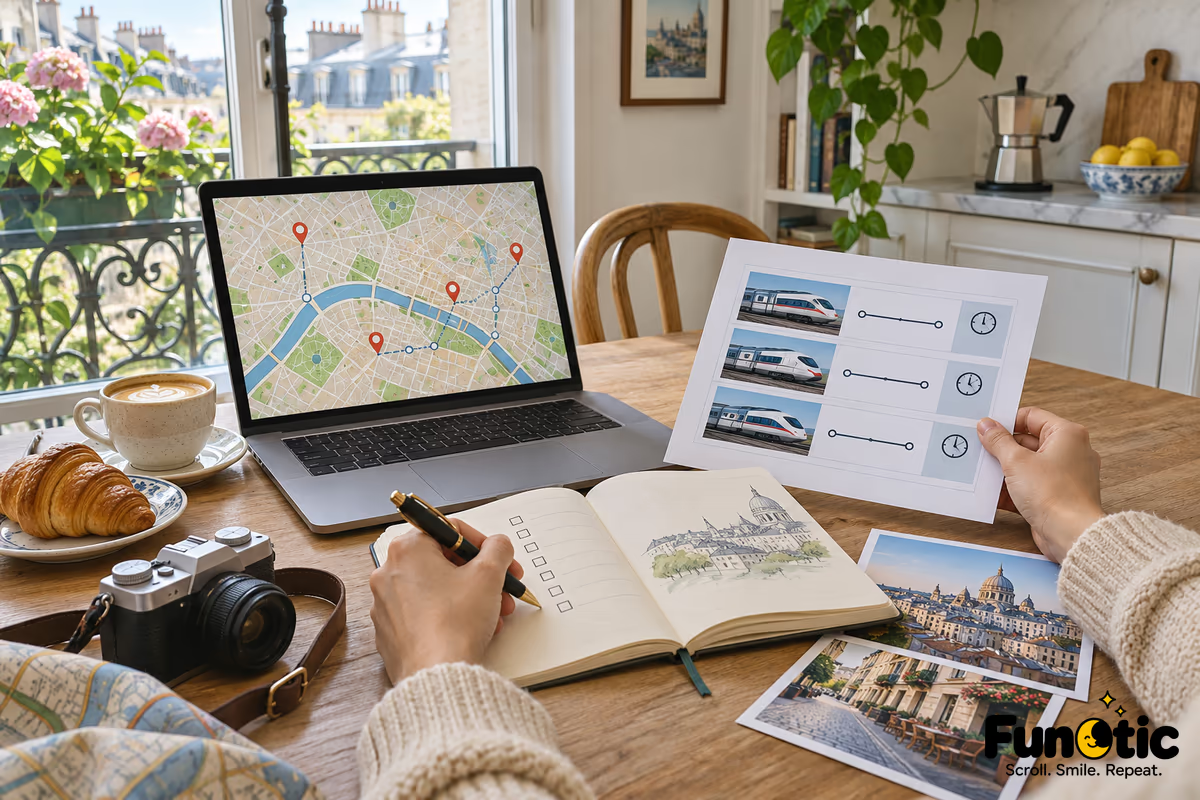

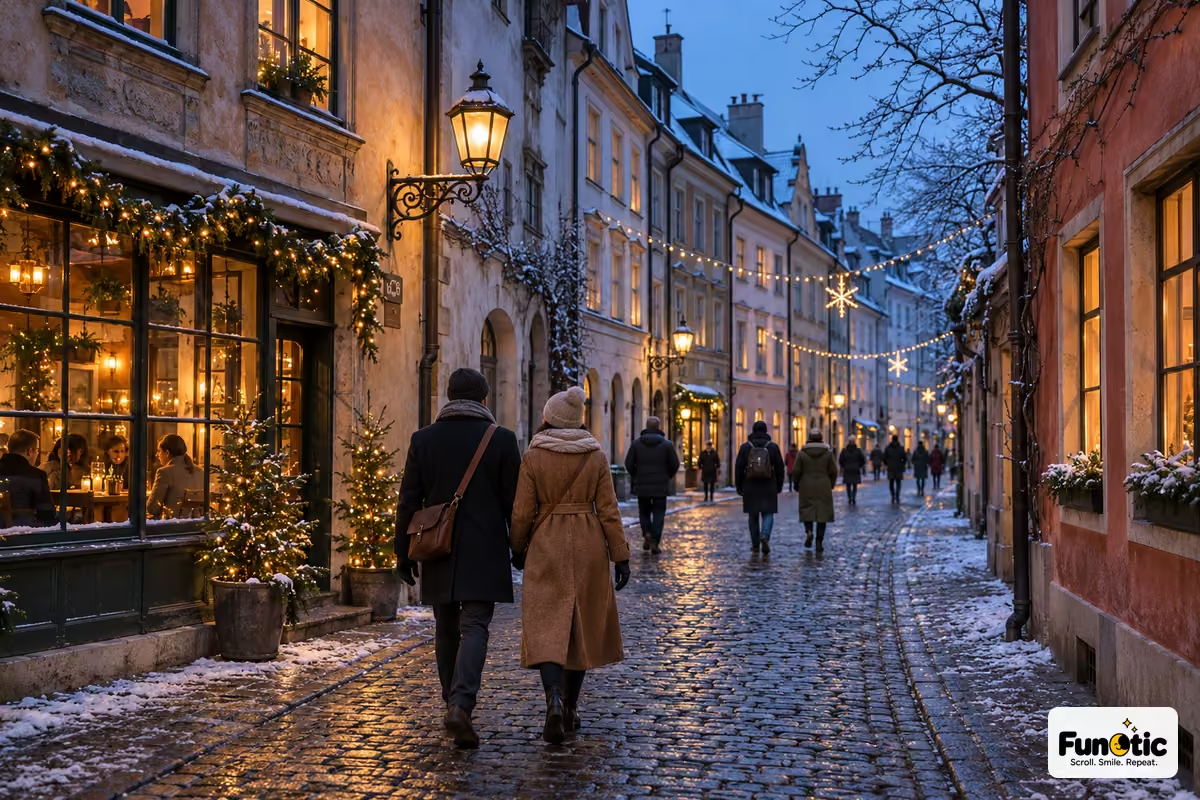
A winter city break in Europe can feel fuller when the evening is part of the itinerary. Short daylight hours invite a different rhythm: a museum in the afternoon, a concert after dinner, then a walk through a historic centre when the streets grow quieter. The European Travel Commission reports that 76% of surveyed Europeans intend to take an overnight trip between October 2026 and March 2027, with city breaks and culture or heritage trips among the leading choices. ETC’s autumn and winter travel findings support the appeal of culture-led breaks.
Pick a base that saves time after dark
Choose accommodation near a central transit stop or within a comfortable walk of the evening activity. Check the last train or bus before booking tickets, especially if you plan to attend a performance outside the centre. A convenient base can be worth more than a room with a view if it makes the return journey simple.
Build one anchor event into each night
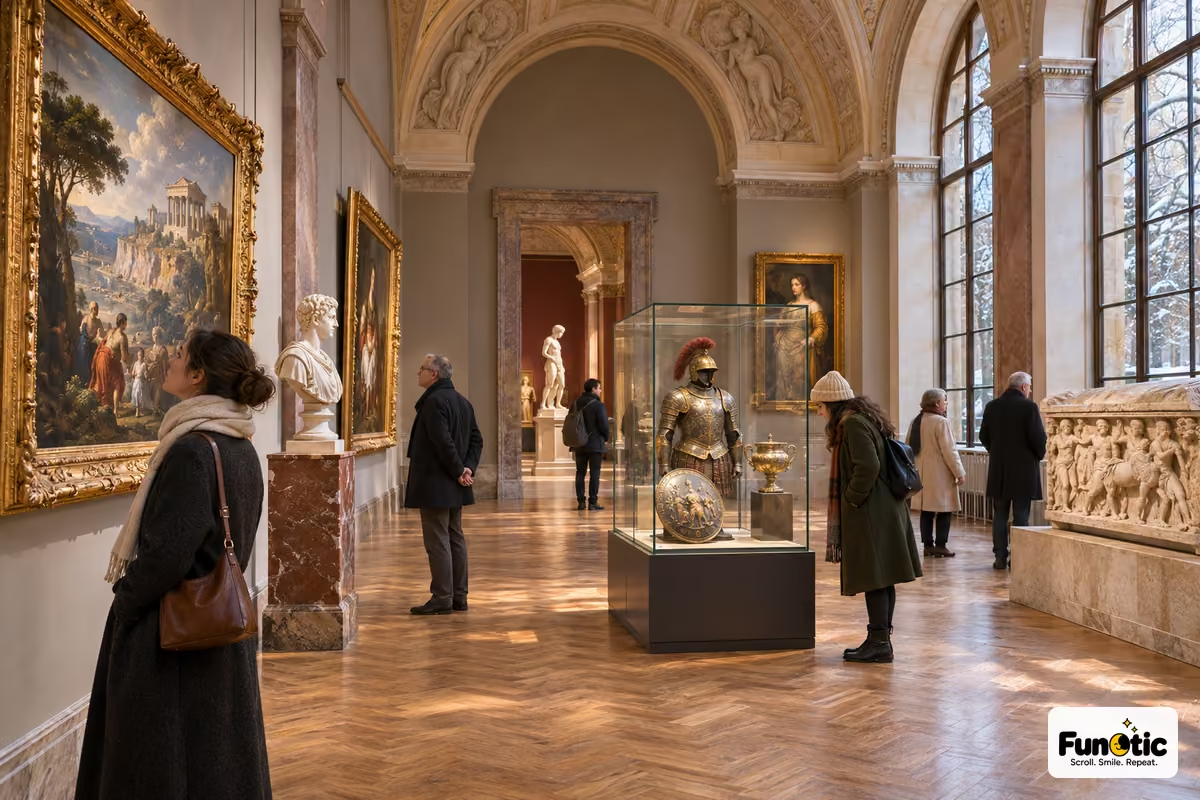
Look for a late opening at a museum, a small concert, a theatre performance, or a guided architecture walk. Reserve one main event and keep the rest flexible. An overfilled schedule leaves little time for a café stop or an unexpected street market. Read the venue’s current hours and ticket conditions directly before you travel.
Keep the walking route short and interesting
Connect a square, a covered arcade, a river path, and a place for a warm drink. Save the map offline and mark public transport stops along the route. If weather changes, swap an outdoor section for a gallery or café. The itinerary should still work if it rains or you decide to stop early.
Make dinner part of the place
Book a neighbourhood restaurant or choose a market hall where people can order different dishes. Check opening times because some kitchens close earlier than visitors expect. If you want a broader warm-weather or coastal itinerary, Funotic’s guide to exploring Nice is a useful starting point for a future trip.
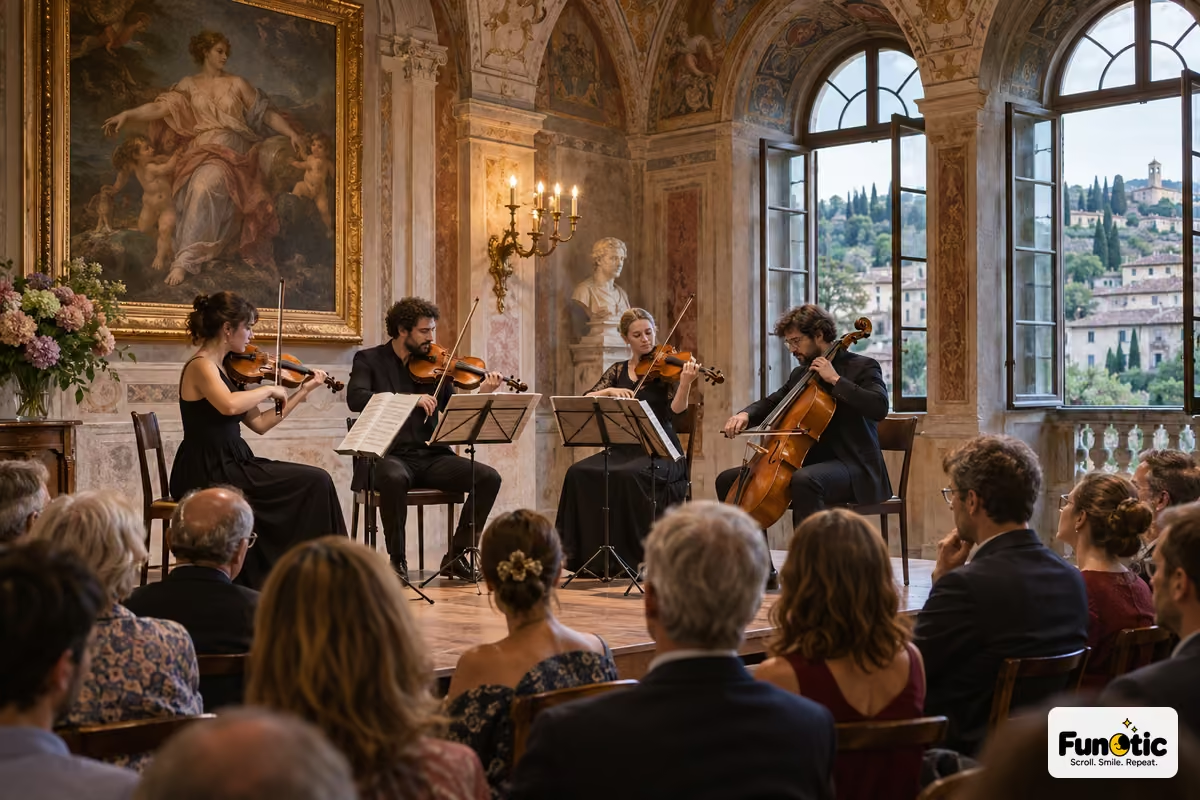
Winter evenings make a city feel close and personal. Choose a walkable base, one cultural event, and a flexible route, then let the rest of the night develop at a comfortable pace.
Check the practical details before you buy tickets
Late openings and performance schedules can change by season, weekday, or holiday. Confirm the date on the venue’s official page, check whether tickets need to be booked in advance, and note the door-closing time rather than only the start time. If you are visiting more than one place, leave room for transit delays and a meal. A plan with one confirmed event is more reliable than several reservations that leave no time to move between them.
Winter weather also changes what feels comfortable. Pack a warm outer layer, shoes that can handle wet paving, and a small umbrella if rain is likely. Save your accommodation address and the route back offline. Before heading out, check local transit alerts and keep a backup option such as a taxi rank or a shorter walking route in mind. These checks are especially useful when you are unfamiliar with the neighbourhood.
Let the evening reflect the city
Choose an event and a meal that reveal something about the place, whether that is a local music venue, a neighbourhood cinema, a historic market hall, or a small gallery. Read a little about the area before you go, but do not turn the night into a checklist. Leave a gap between the main event and dinner so you can stop when a street or café catches your attention.
For a multi-night stay, vary the pace. One evening can be reserved for a performance, another for a long dinner, and a third for an early night. That balance keeps a winter break comfortable and gives you a reason to enjoy the city after the daytime sights close.