

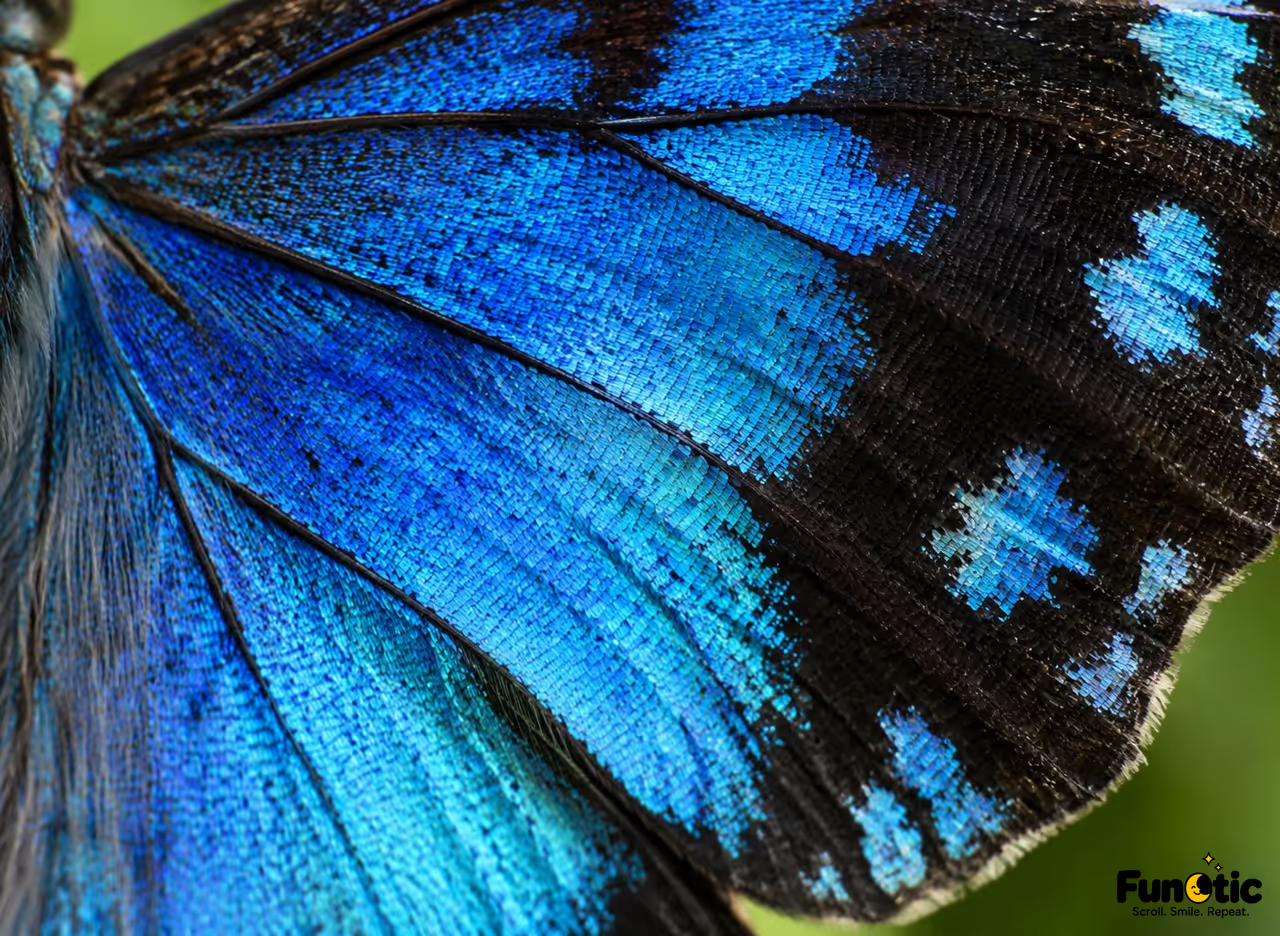
A close-up photo can turn an ordinary leaf, insect or drop of water into a guessing game. The subject fills the frame, familiar clues disappear and small patterns start to look like landscapes. Try this macro photo challenge with a friend: look at each image for a few seconds, name the subject and point to the detail that gives it away.
Macro photo challenge: seven details to look for
- Leaf veins: branching lines that spread from a central stem often reveal a plant even when the leaf edge is out of view.
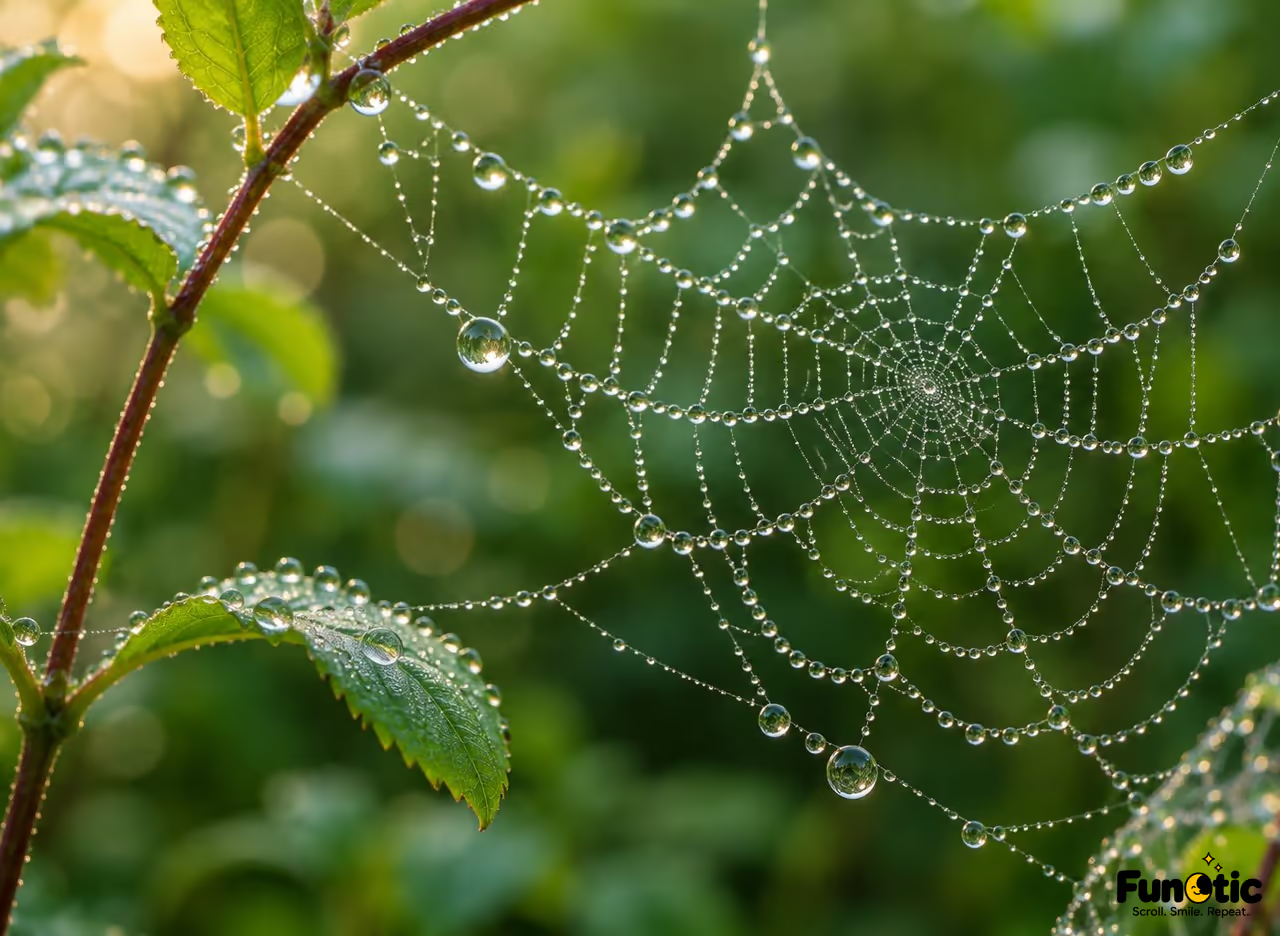
- Water droplets: a row of round beads on a web or blade of grass can look like glass until the background gives away its scale.
- Wing scales: the tiny overlapping colors on a butterfly wing form a pattern that is easy to mistake for painted fabric.
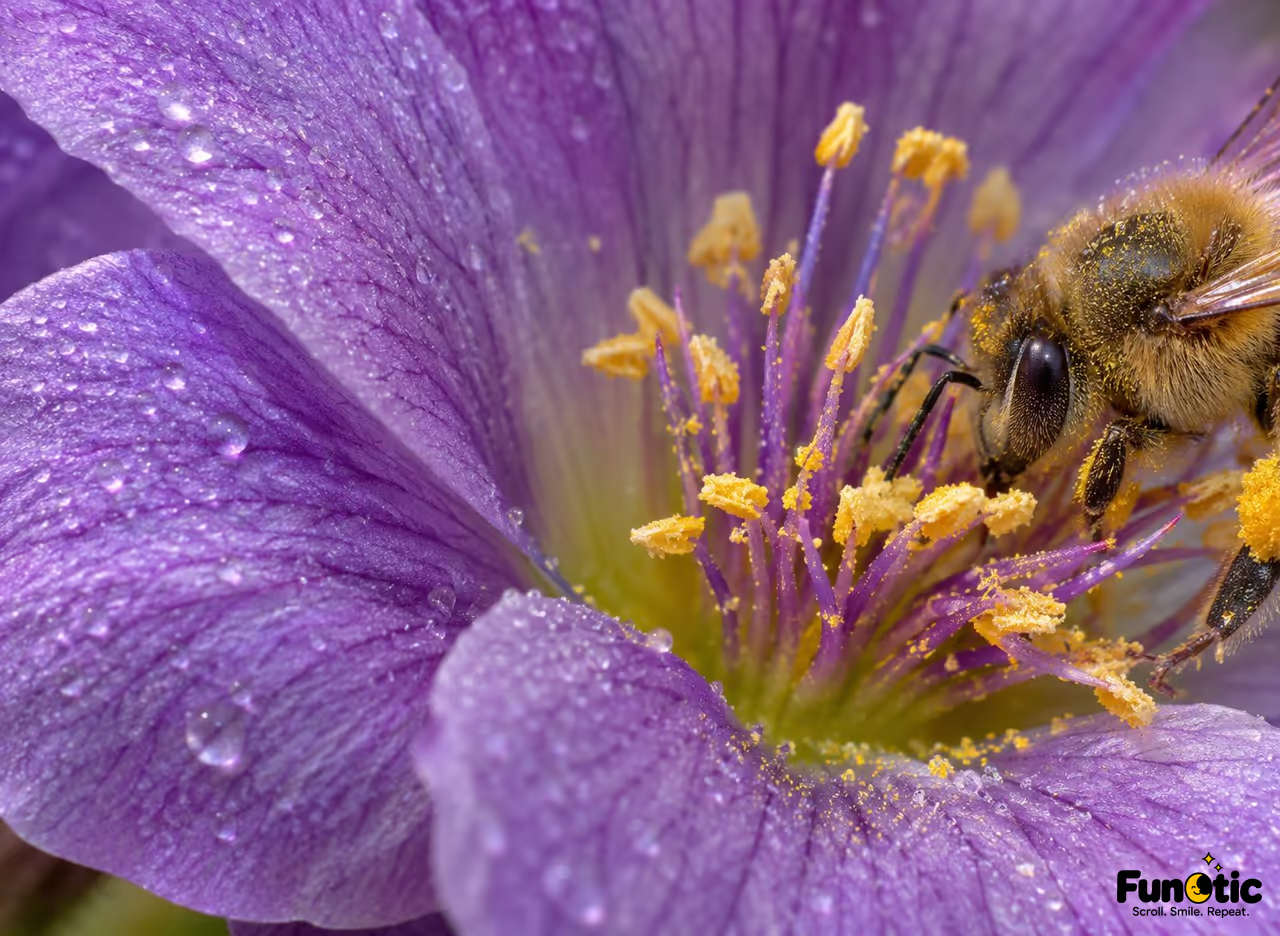
- Pollen grains: a yellow dusting on a flower or bee can identify a pollinator at work.
- Compound eyes: a grid of small facets can make an insect appear to have a mosaic lens.
- Seed texture: ridges, hooks or fine hairs help tell one seed from another.
- Surface reflections: a bright highlight on a shell, petal or puddle may reveal whether the surface is smooth, wet or curved.
Cover the list while you look at the photograph, then uncover it and compare the clues. The aim is to notice, not to guess perfectly. A crop can hide scale, so check for repeated shapes, edges and shadows before deciding what you are seeing.
How to make a tiny subject readable
Begin with one clear detail. Move the camera closer or use a phone’s macro mode, but avoid digital zoom if it makes the image soft. Tap to focus on the key texture, then hold still while the camera takes the picture. A small tripod or a solid surface can help, especially when your phone is close to the subject.
Use soft daylight whenever possible. Harsh flash can flatten texture and create bright spots on water or glossy wings. If the image is too dark, move toward a window or open shade rather than shining a light directly at an insect. Keep the background simple so the tiny pattern has room to stand out.
Try a three-photo round
Choose a leaf, a flower visitor and a piece of natural texture such as bark or a spider web. Take one close photo of each, then crop the images so the subject is not immediately obvious. Show them one at a time and give each person a short time to guess. Reveal the wider view after the answer so everyone can see the scale.
Morning moisture creates especially useful clues. The beads on a web, for example, give the eye a repeating pattern while the threads reveal their shape. Funotic’s look at why dew on spider webs appears at dawn is a good companion read before you take a close-up outside.
Make the challenge fair
Keep the image sharp enough to inspect, but do not reveal the whole subject in the first frame. Avoid adding a label or giving a hint in the caption. If you are sharing the game online, add alt text that accurately describes the visible subject for screen readers. A hint can follow the guessing round for anyone who wants a nudge.
For more field ideas, National Geographic’s macro photography tips highlight how getting down to a subject’s eye level can change the way a small scene feels. That shift in perspective is the heart of this challenge. A tiny subject becomes interesting when the photograph shows a clue people might otherwise walk past.
Take a few versions at different distances. The first can be difficult, the second can show a stronger clue and the final frame can reveal the full subject. The macro photo challenge can become a small quiz and a useful set of nature photographs at the same time. The macro photo challenge works best when each crop leaves one fair clue.