
An own brand taste test can reveal whether shoppers prefer a supermarket product when labels and prices are hidden. A blind taste test can make grocery comparisons more revealing, but only if the products, portions and conditions are fair. This is a ready-to-run test plan; no tasting results are claimed here.
The own brand can win on taste or value, but the comparison needs the same serving conditions.
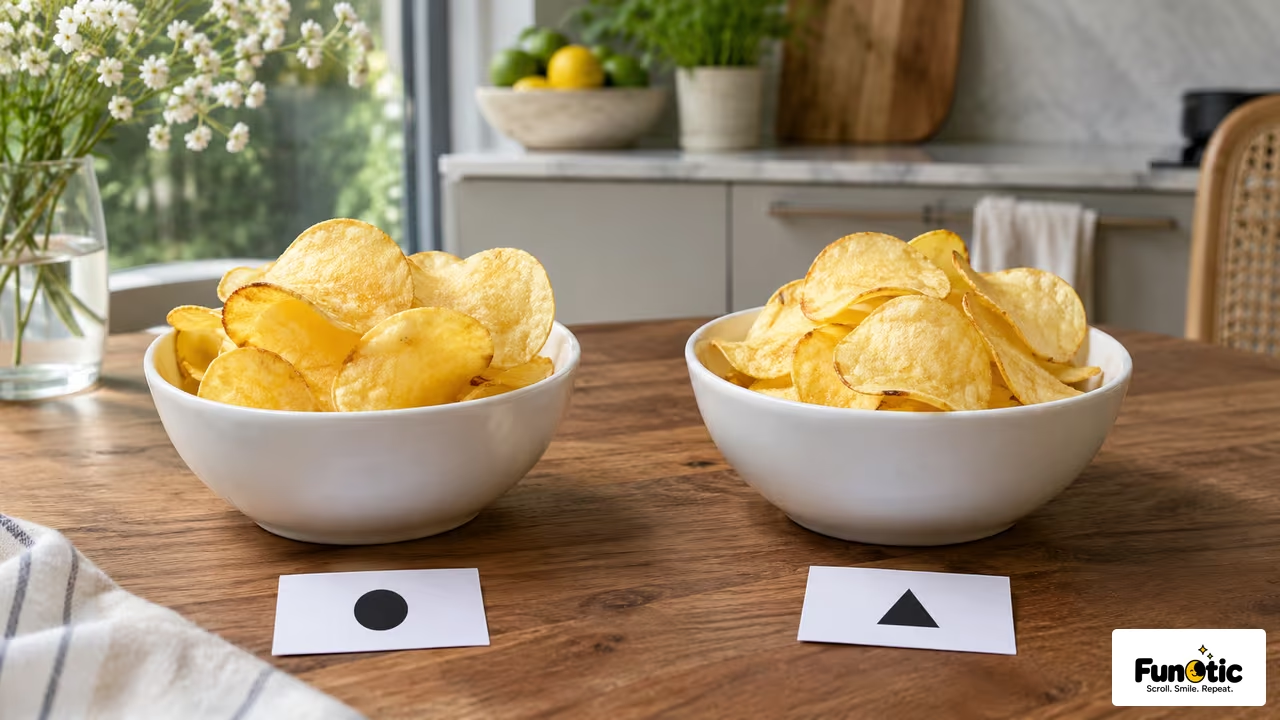
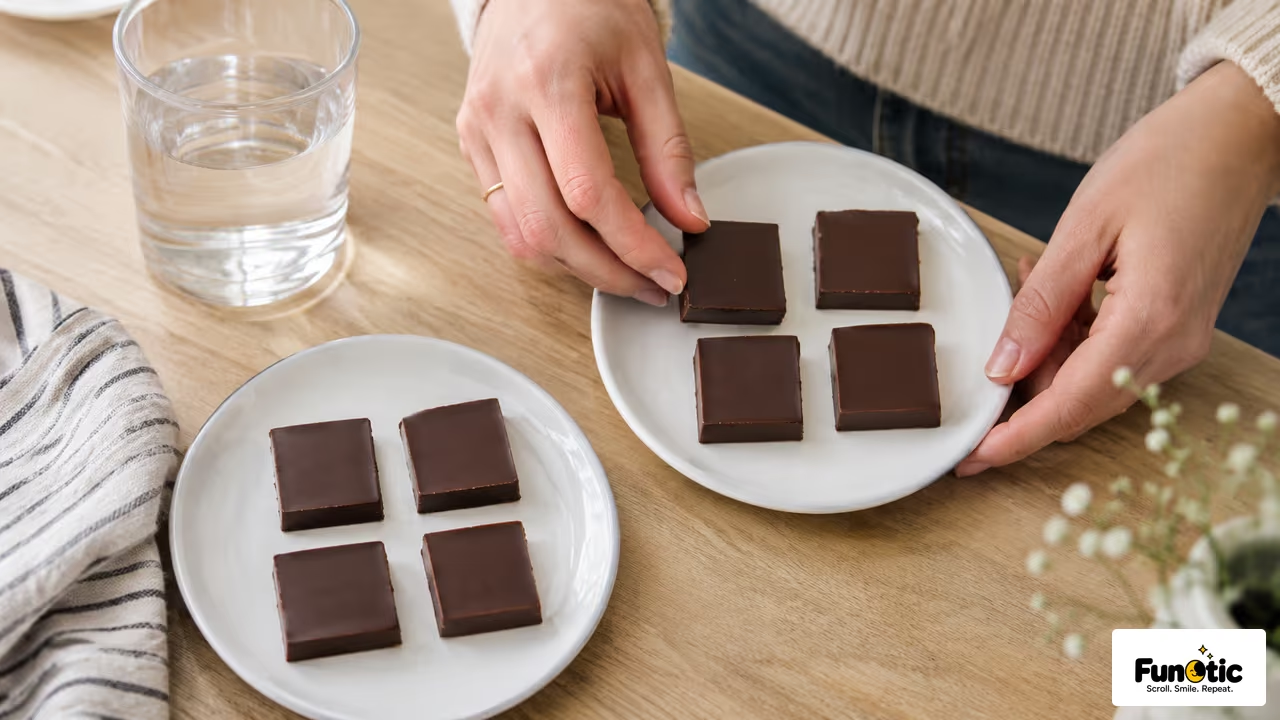
Set up a fair own brand taste test
Pick a simple item where the products are genuinely comparable, such as plain crisps, canned tomatoes, pasta, chocolate or yogurt. Match the flavor, style and approximate package type. Avoid comparing a premium organic product with a differently seasoned budget version and calling it a direct head-to-head.
Set up a fair tasting
- Buy both products from the same local market and record the store, date, package size and price.
- Ask a helper to hide the packaging and assign random codes to equal portions.
- Serve samples at the same temperature and in the same kind of dish.
- Let tasters try them in a randomized order with water between samples.
- Ask each person to score flavor, texture and overall preference before revealing the brands.
- Record whether anyone correctly identified which product was the premium option.
For food safety, disclose allergens and ingredients before anyone participates. Do not use a blindfold or ask people to taste a product that could conflict with an allergy, dietary restriction or medical need. The US FDA recommends that people with known food allergies read labels and avoid foods containing their allergens; keep the original packages available.
Use a scorecard, not a leading question
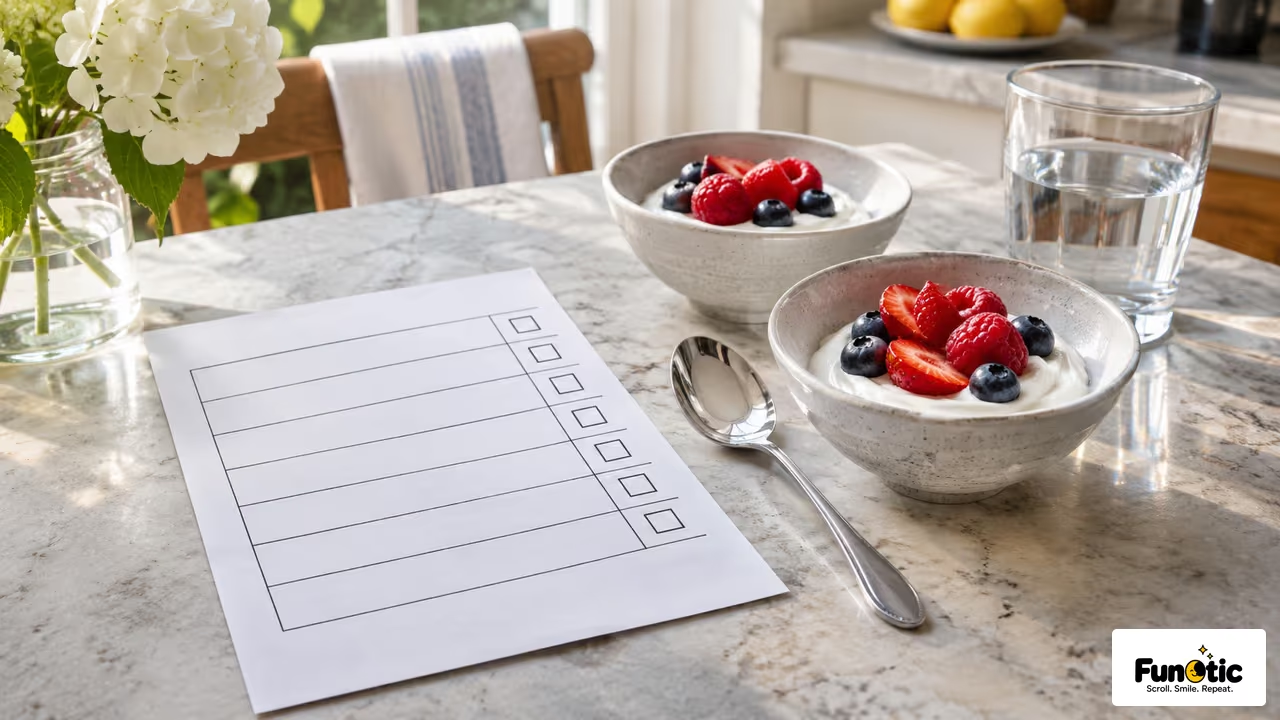
For each sample, rate taste, texture and overall liking from one to five. Then ask, “Which would you choose again at this price?” and “Which do you think costs more?” Keep those answers separate. A taster may like one product best but still decide the other is better value.
| Sample code | Taste / 5 | Texture / 5 | Would buy at this price? | Guess: premium or own brand? |
|---|---|---|---|---|
| A | ||||
| B |
Report what the test can and cannot show
A small group of friends is a fun comparison, not a representative consumer survey. Report the number of tasters, the exact products, the market and date, sample order and average scores. Do not generalize from a handful of votes to every shopper or every product in the brand range.
When the test is complete, add the real results and a photo of the actual products. Until then, the scorecard is an invitation for readers to run their own test and share their votes. The price comparison should use the same unit, such as price per 100 grams or ounce, so package size does not distort the result.
Try the format with a category you buy regularly, then compare notes with someone whose preference is different from yours. For a week of dinner ideas built around a short shop, see Funotic’s one-basket meal plan.
The surprising result may be that the favorite changes by category. A fair test lets the tasters decide without the label deciding for them.
Sources: FDA food allergy guidance, FDA food-label information.
Explore more Funotic food guides for related ideas.