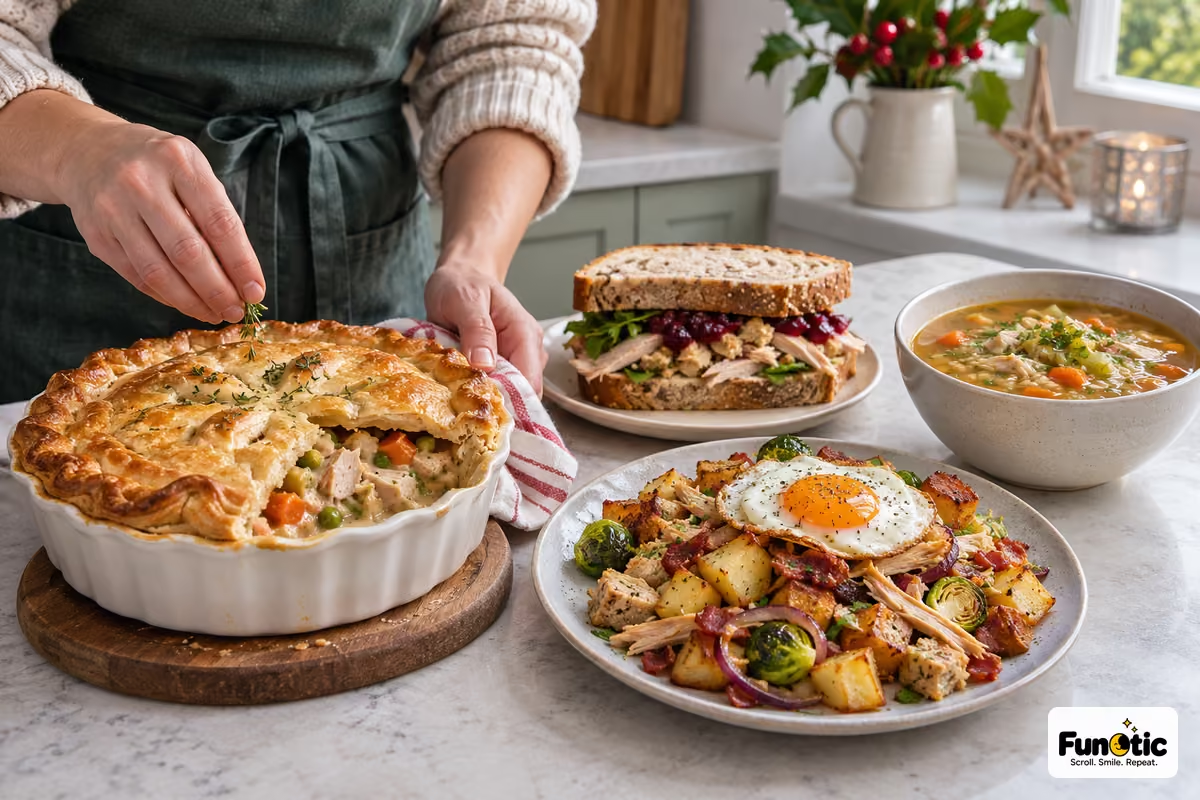

A Christmas dinner for six can feel abundant without turning the fridge into a crowded game of food containers. The easiest fix happens before shopping: choose the menu, estimate portions, and decide where leftovers will go. WRAP’s 2026 festive report says households spend more on food at Christmas and often have more leftovers than in a typical week. It also found that clear storage advice and fresh ideas can help people use food safely. WRAP’s festive food report offers useful UK context.
Plan a Christmas dinner for six with a simple menu
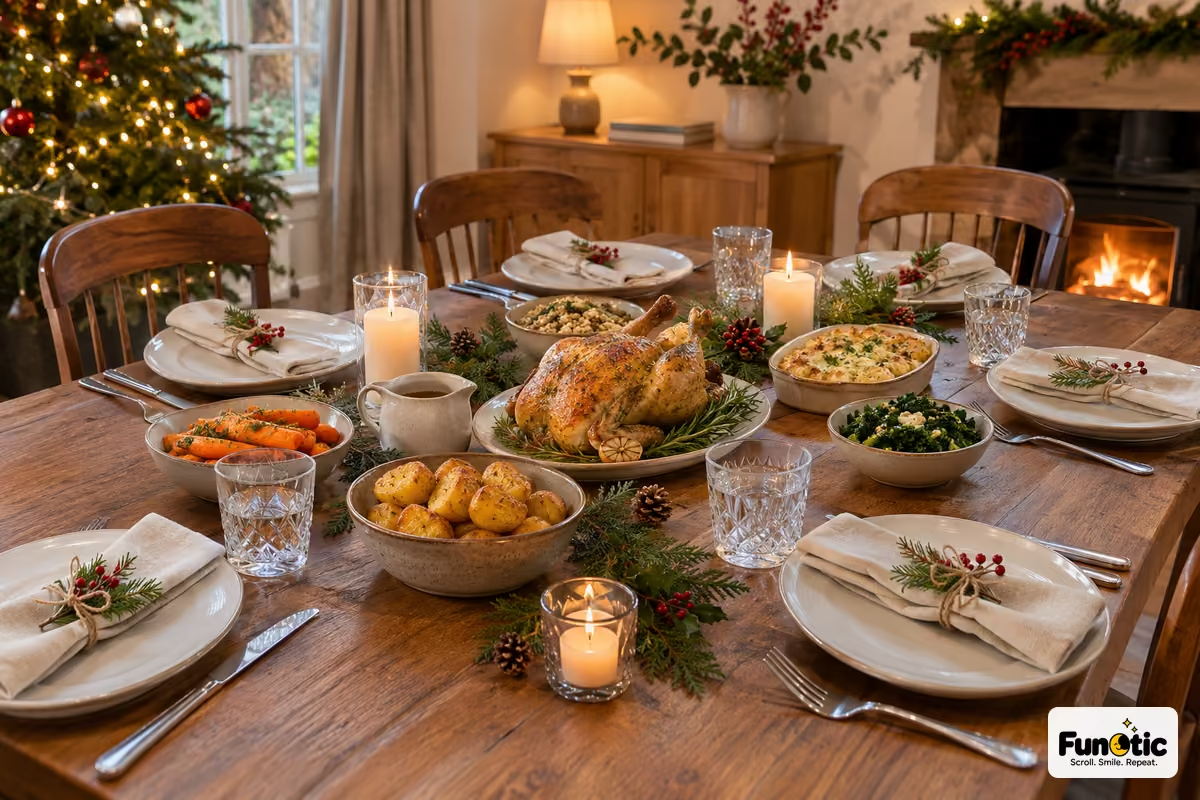
For six guests, a roast or vegetarian centrepiece can anchor the meal. Add two sides that cook at different temperatures or can be prepared ahead. Choose one flexible extra, such as bread, a salad, or a simple pudding, instead of adding several dishes because the table looks empty. A menu with fewer moving parts leaves more time for guests.
Shop from the menu, not from habit
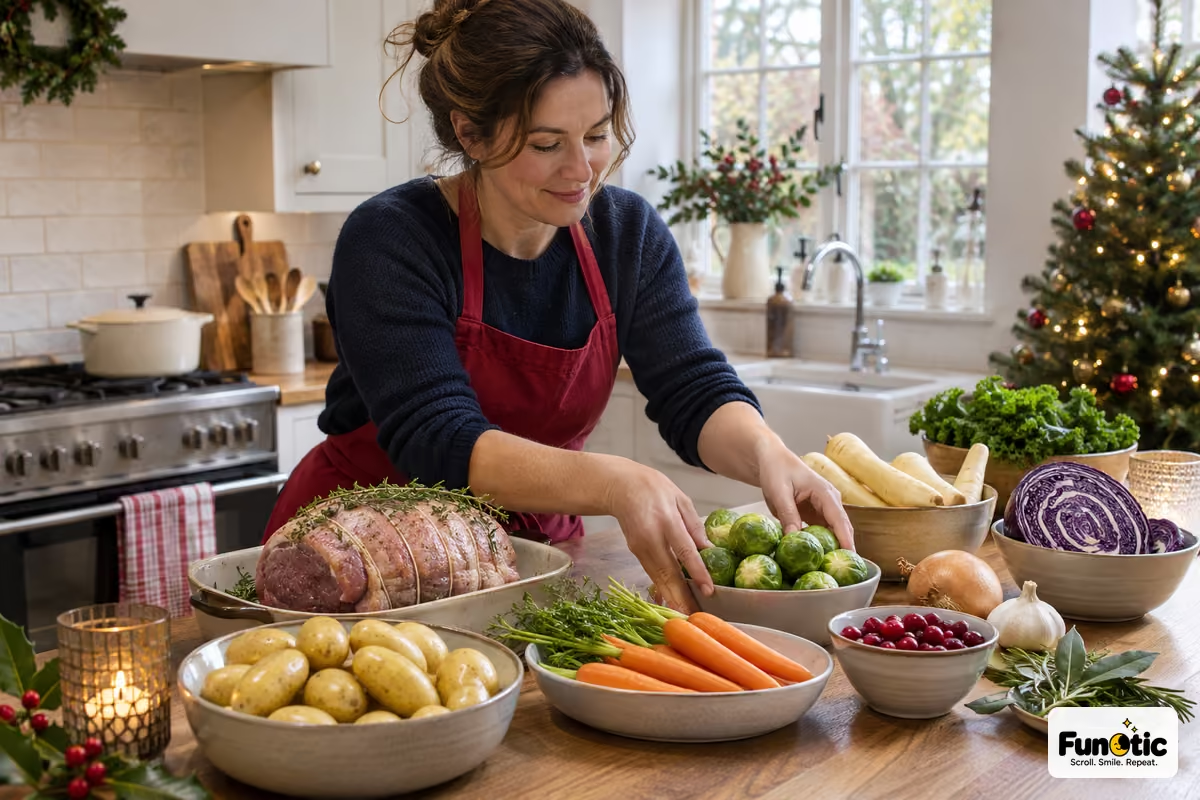
Check the pantry and freezer first. Write down what each recipe needs, then combine ingredients so the same herbs, dairy, and vegetables appear in more than one dish. Buy the main item based on the pack size and likely serving portions, not on a broad idea that more is safer. WRAP reports that 70% of respondents make a conscious effort to use festive leftovers, which makes a plan for them worth writing down.
Reserve storage space before cooking
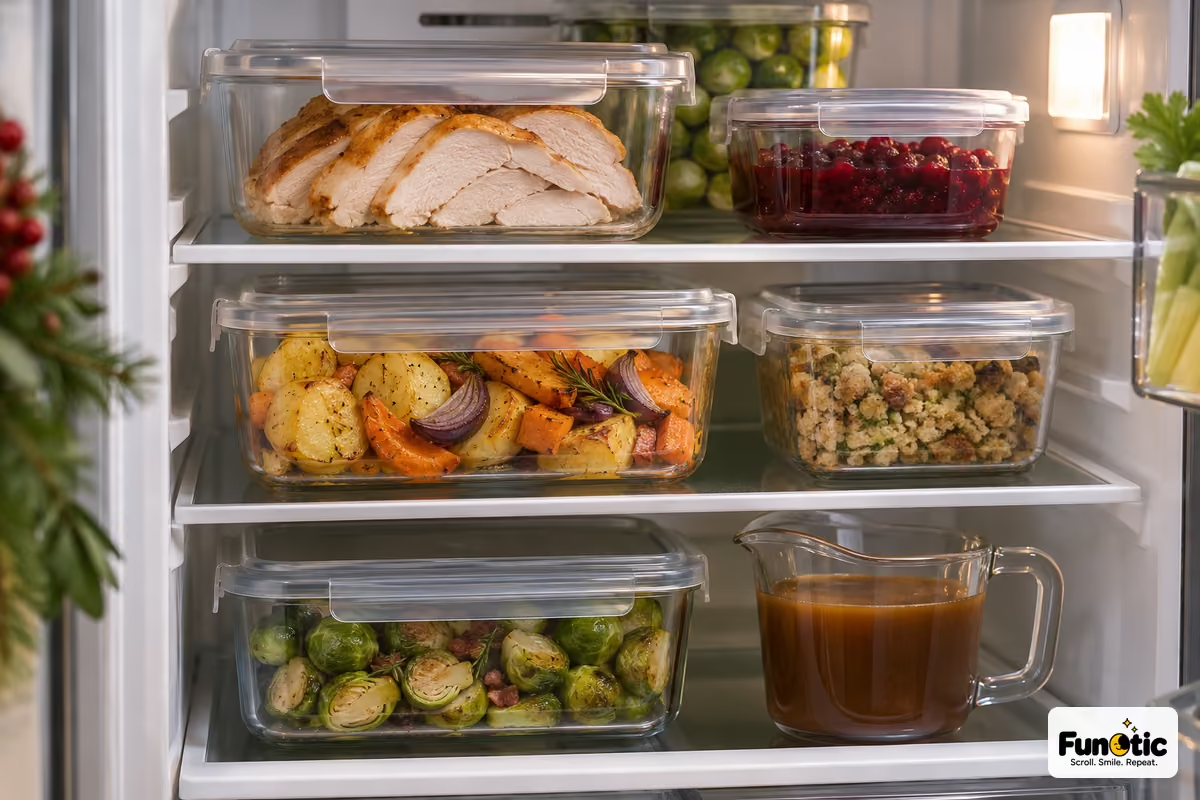
Clear one shelf and gather shallow containers before the meal begins. Label containers with the dish and date, and follow current food-safety advice for cooling, refrigerating, freezing, and reheating. Do not leave cooked food sitting out for long periods. If the fridge is already full, freeze suitable portions once they are cooled and packed safely.
Give leftovers a job
Before dinner, choose two likely next-day meals. Roast vegetables can become a soup base or a warm grain bowl. Extra potatoes can be crisped in a pan. A small portion of meat can go into sandwiches or a pie filling. Link each leftover to a meal and container so it is less likely to be forgotten behind other food.
If you are planning the table as well as the menu, Funotic’s guide to eight napkin-folding ideas offers a few simple presentation touches. Generosity comes from making guests comfortable, not from cooking every possible side. A considered menu gives everyone enough and makes the next day easier too.
Set a cooking order that fits the kitchen
Write the menu down with a start time beside each dish. Mark what can be prepared the day before, what needs oven space, and what can be served at room temperature. If two dishes need the same temperature, cook one earlier and reheat it safely, following current food-safety guidance. Put serving spoons and platters out before the cooking rush, and label any dish that contains an ingredient guests need to avoid.
Ask guests about dietary needs early enough to plan a real option rather than a last-minute side plate. A vegetarian main can be part of the menu for everyone, or you can prepare a separate dish that uses several of the same vegetables and seasonings. Keep raw ingredients and ready-to-eat foods separate while preparing the meal, and clean boards and utensils between tasks.
Make the fridge plan before it fills
Decide which dishes are likely to remain and choose containers that suit them. Shallow containers stack more easily and make portions simpler to see. Leave a clear shelf for cooked food before shopping, and move drinks or unopened items elsewhere if needed. When the meal is over, pack leftovers promptly and label them so each person can see what is ready to eat. A modest dinner with a clear storage plan often feels more generous than an oversized menu that leaves the kitchen crowded.