

Standby power can keep a device ready, but a simple measurement shows whether it matters on your winter bill. The useful question is not whether standby power exists; it is whether the devices in your home use enough to justify changing a habit. A plug-in energy meter can turn that guess into a simple household experiment.
Standby power is easiest to measure when a device is switched off but remains plugged in.
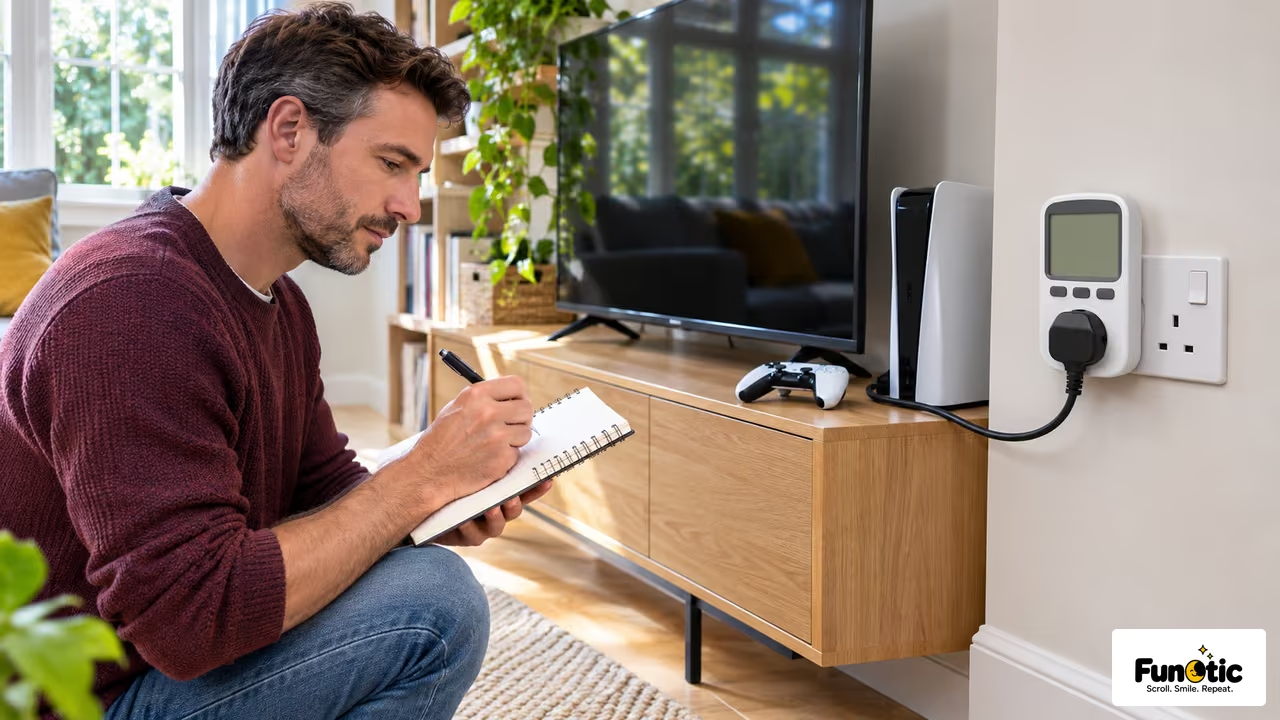
Run the standby power check
Standby power is the low level of electricity a connected product uses while it is switched off or not doing its main job. A device may stay ready for a remote, maintain a network connection or keep a clock running. The US Department of Energy describes standby and other low-power modes as measurable states; its guidance notes that fluctuating use should be measured over time and averaged.
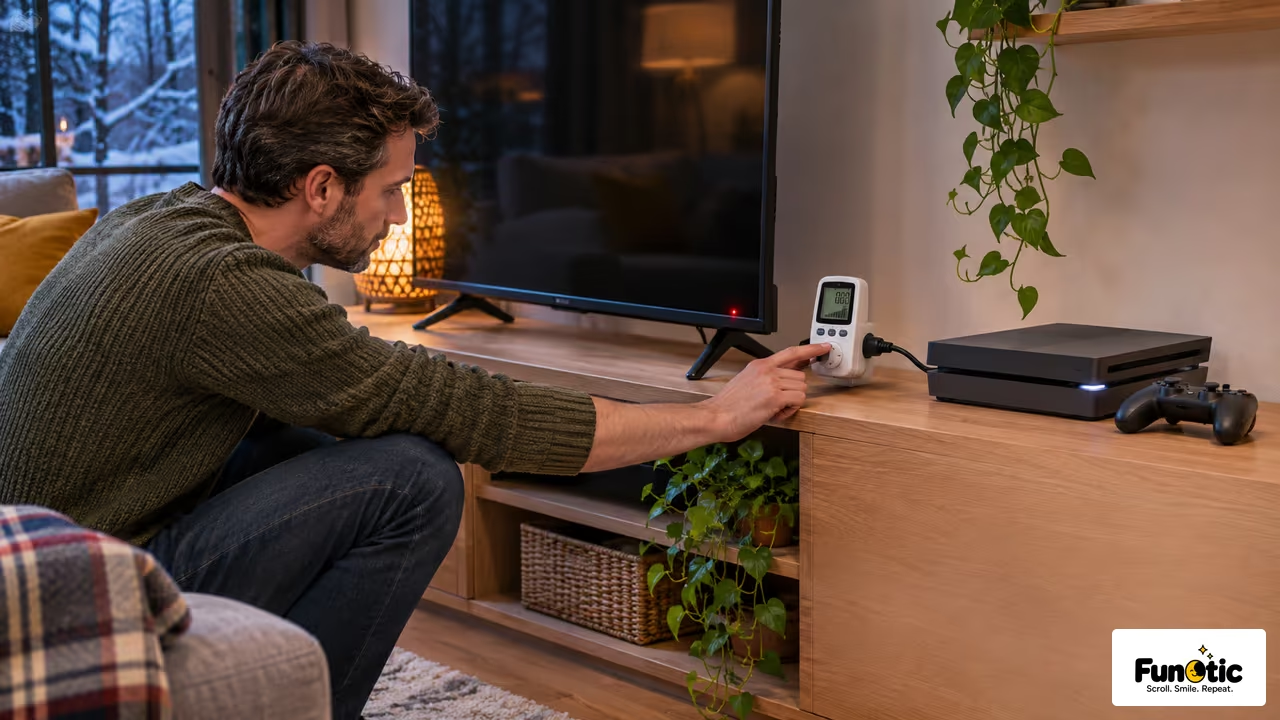
Try a simple home measurement
- Choose a plug-in meter with energy-use measurement and follow its safety instructions.
- Record the device in normal standby mode, keeping the usual settings and connected accessories.
- For a steady reading, log the watts after the reading settles. If it fluctuates, leave the meter in place long enough to capture a representative average.
- Repeat after turning the device fully off using its switch, if the manufacturer allows it.
- Test one device at a time and write down the date, mode and reading.
Do not use a consumer plug meter on hard-wired equipment or a circuit beyond the meter’s rating. Skip any test that involves opening a device or handling mains wiring. For built-in appliances, consult the manual or a qualified electrician.
Turn watts into an estimate
For a steady standby load, estimate annual energy with this formula: watts × 24 × 365 ÷ 1,000 = kilowatt-hours per year. Multiply that result by your actual electricity price per kilowatt-hour to estimate annual cost. For example, a hypothetical 2-watt load running all year uses about 17.5 kWh. The money value depends on your tariff, region, taxes and billing plan.
In the US, check the rate on your latest electricity bill or utility tariff. In the UK, use the unit rate on your current bill and keep any standing charge separate because switching off a device does not remove it. Across Europe, rates and taxes vary by country and contract, so use the price that applies to your home rather than a single continental average.
Which devices are worth checking first?
Start with things that remain plugged in all year: entertainment systems, printers, desktop computers, game consoles, smart speakers and chargers. A large number of tiny loads can add up, but a low reading on one device may be negligible. Prioritize measurements rather than assuming that the biggest appliance or the newest charger is the culprit.
When a smart plug helps
A smart plug with energy monitoring can track use over a longer period and make it easier to compare routines. Check the product’s maximum load, whether it supports the appliance, and how it stores energy data. Some equipment should not be power-cycled abruptly; use the appliance’s own settings and manual as your guide.
This is a measurement project, not a completed test of every home appliance. Keep your log and share the most surprising reading with a friend. If you want a broader seasonal home checklist, see Funotic’s practical DIY ideas.
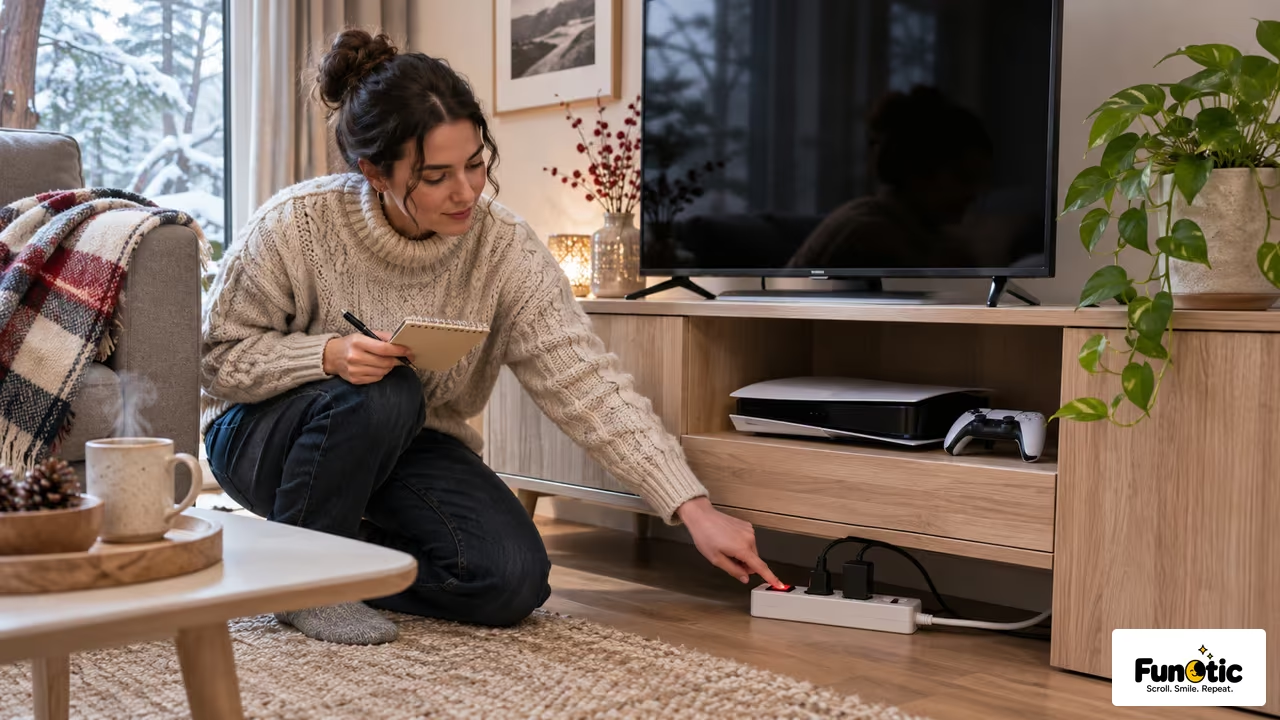
Once you know which loads matter, you can choose a targeted fix: a setting change, a switched power strip or simply leaving a device alone because the savings would be trivial.
Sources: US Department of Energy: measuring standby power, Energy Saving Trust: home appliances.
Explore more Funotic diy guides for related ideas.