

A heat pump quote is easier to compare when every installer answers the same questions about heat loss, sizing and aftercare. The right system depends on the building, local climate, fuel and electricity rates, hot-water needs and the quality of the design. Ask every installer the same questions before choosing.
A heat pump quote should explain how the installer calculated heat loss and system size.
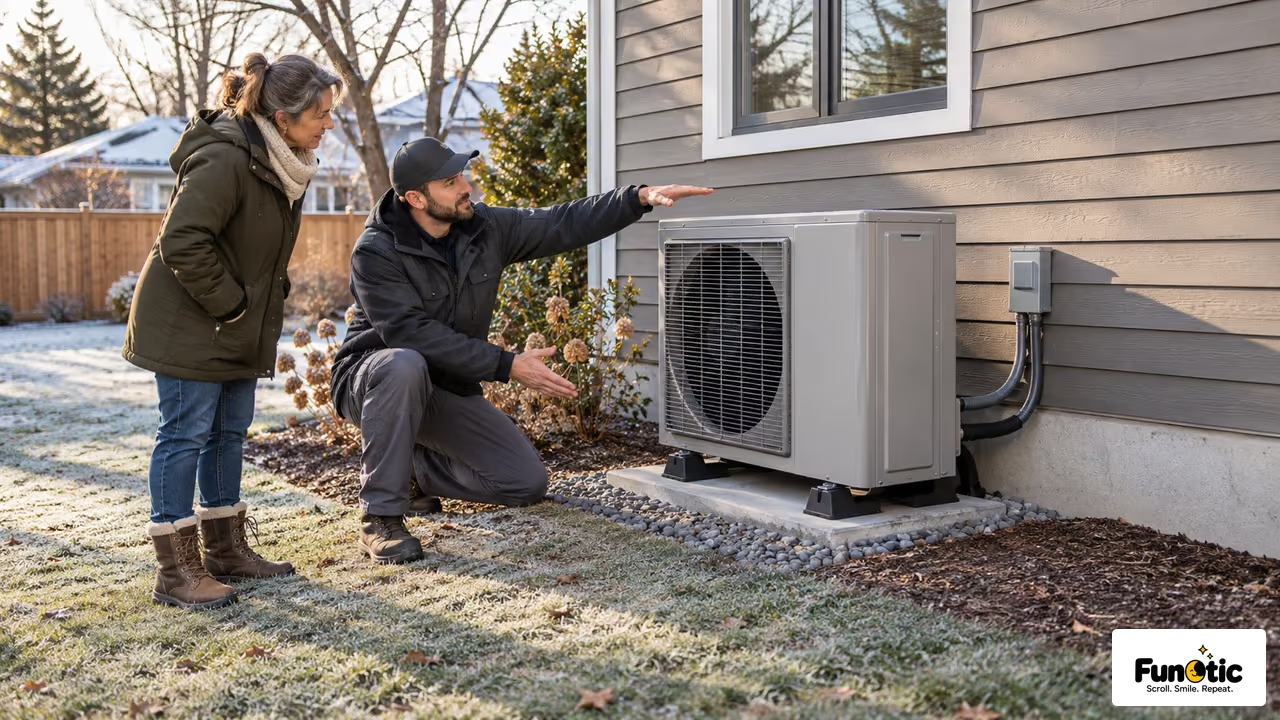
Ask these heat pump quote questions
Ask how the installer calculated the heating load and whether they inspected the rooms, insulation, windows, radiators or ducts. Ask what changes the system may need: larger radiators, duct repairs, electrical upgrades, pipework, controls or insulation. A quote that assumes work is unnecessary should explain why.
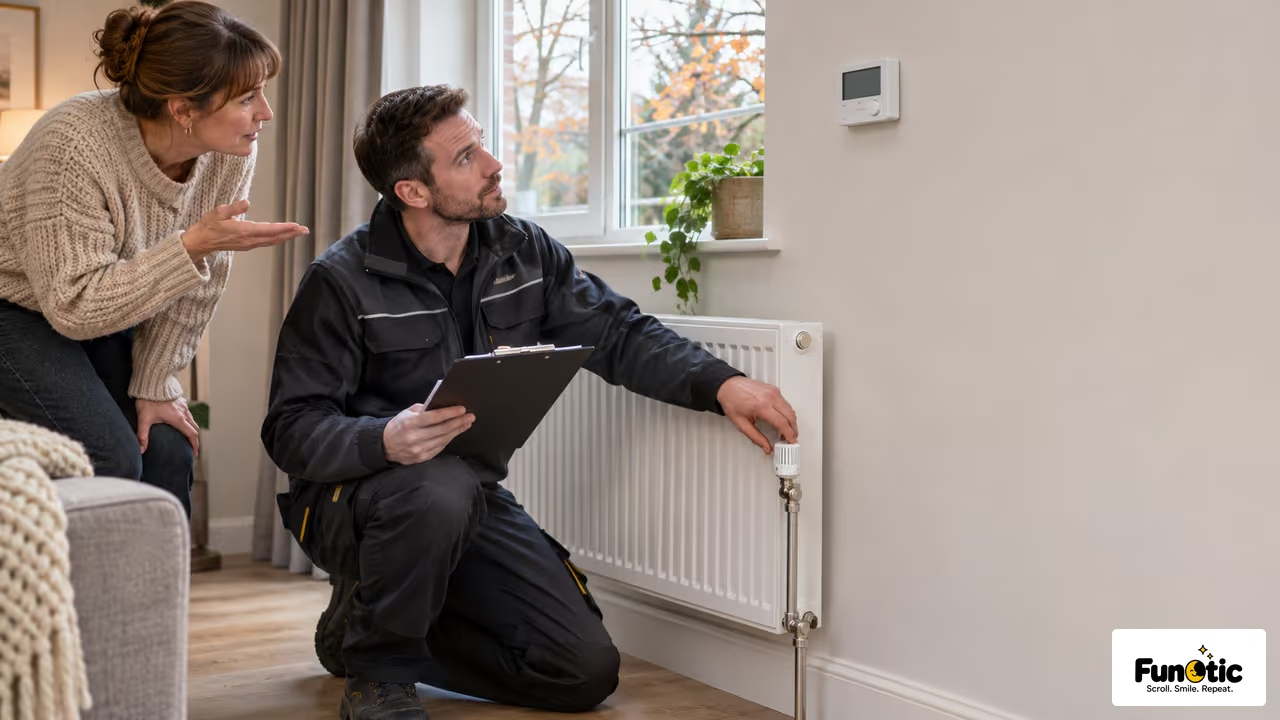
Twelve questions to take to the visit
- What heating load did you calculate for my home, and how?
- Which model and capacity are you proposing, and why?
- How will it perform at the coldest temperatures typical for my area?
- What backup or supplemental heat will be available, and when could it run?
- Will existing radiators, ducts or pipework need changes?
- How will the system provide hot water, and is a tank required?
- What electrical panel or wiring work is included?
- What noise level should I expect inside and outside?
- What is the estimated annual energy use, with assumptions shown?
- Which energy rates or fuel prices did you use in the estimate?
- What is excluded from the quote, including permits and making good?
- Who commissions, services and supports the system after installation?
Request the assumptions behind the running-cost estimate. A heat pump uses electricity, while a gas or oil boiler or furnace uses fuel; comparing bills requires local tariffs, seasonal performance, the old system’s condition and the household’s usage. No single savings figure applies to every property.

Questions for US homeowners
Ask whether the system is designed for the local climate zone and whether it is sized to meet the full heating load or paired with backup heat. Request information about cold-weather performance, duct sealing, electrical service, permits, incentives and utility rates. The US Department of Energy notes that cold-climate heat pumps are designed to maintain greater capacity and efficiency at temperatures below freezing, but the proposal still needs to match your specific home.
Questions for UK homeowners
Ask the installer to explain the design flow temperature, radiator sizing, insulation assumptions, hot-water cylinder and tariff used in the running-cost estimate. Energy Saving Trust recommends getting multiple quotes from qualified installers and comparing the included work, not just the lowest total. In England and Wales, check the current Boiler Upgrade Scheme rules and eligibility before assuming a grant will apply; support differs across UK nations and can change.
Compare quotes line by line
Make a table with equipment, design work, electrical or pipe upgrades, controls, hot water, removal of old equipment, permits, commissioning, warranty, estimated annual use and aftercare. Ask each installer to clarify exclusions in writing. Three comparable proposals are more useful than three different sketches with unexplained assumptions.
Keep the quote, model numbers and performance assumptions together. If you’re considering broader winter improvements, Funotic’s home DIY project ideas can help you list comfort upgrades to discuss with the installer.
A good heating decision begins with a good survey and a clear explanation. The cheapest proposal may be right, but only if it covers the work your home actually needs.
Sources: US DOE cold-climate heat pumps, Energy Saving Trust heat pump costs and savings, Energy Saving Trust installation guide.
Explore more Funotic diy guides for related ideas.