
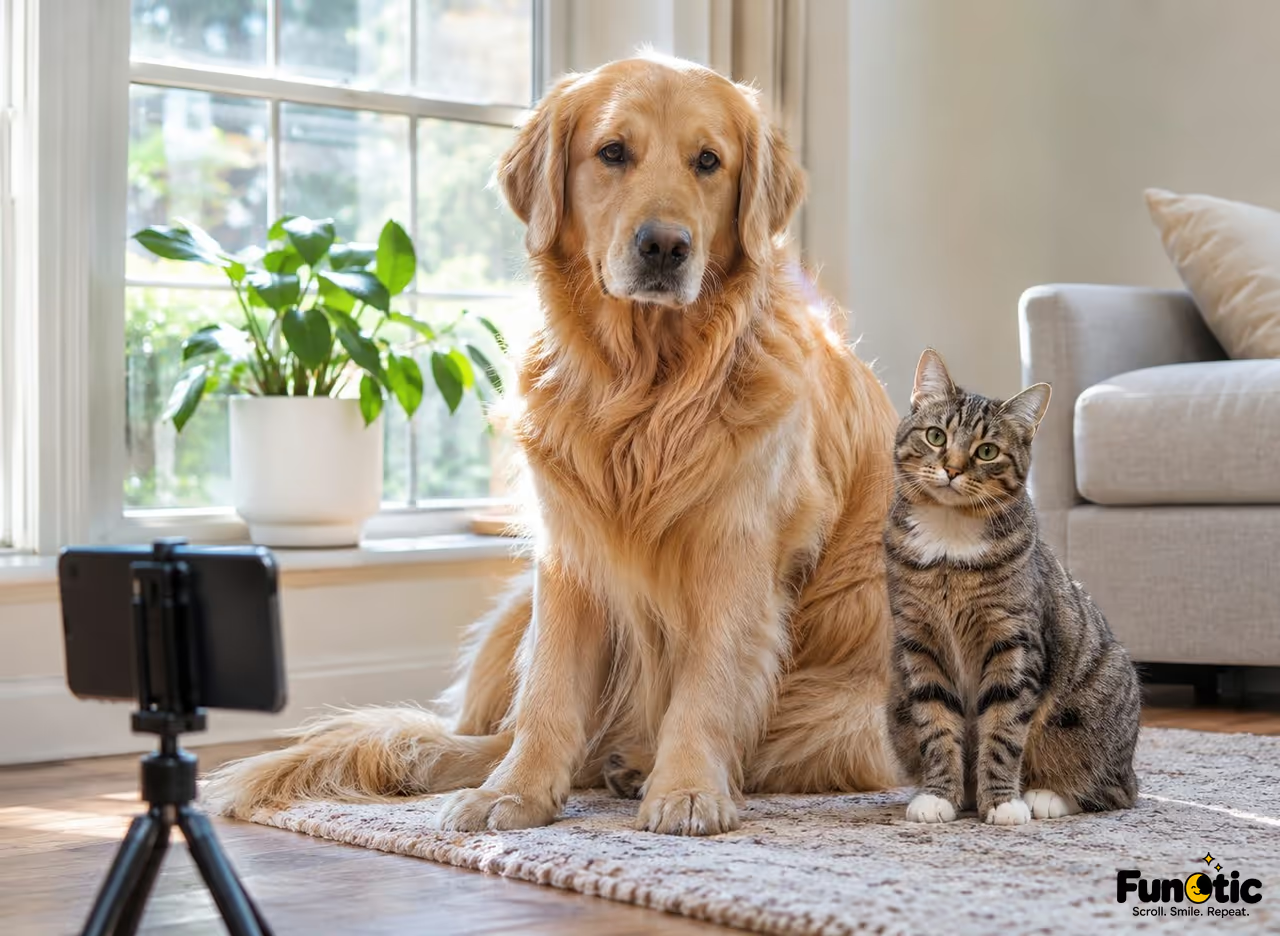
Pet photo trends work best when your animal can choose the pace. Pet videos can follow a trend without asking an animal to perform a trick or tolerate a costume. The safest clips often show a familiar moment: a dog settling into a sunny spot, a cat checking a cardboard box or a pet choosing to approach a camera. If you want to join a popular format, build it around what your pet already enjoys.
Watch your pet before filming
Start with the animal’s body language. A relaxed dog may have a loose body, soft eyes and an easy posture. A cat that chooses to stay nearby, blink slowly or explore at its own pace is giving you a better starting point than one being held in place. Pause if your pet turns away, tries to leave, becomes unusually still or hides.
Stress can be easy to miss in a short clip. Repeated lip licking, yawning, panting, pinned ears, a tucked tail or a visible sliver of eye may mean the animal needs more space. These signals can have different meanings in context, so look at the whole body and the situation. If the animal moves away, let the filming stop there.
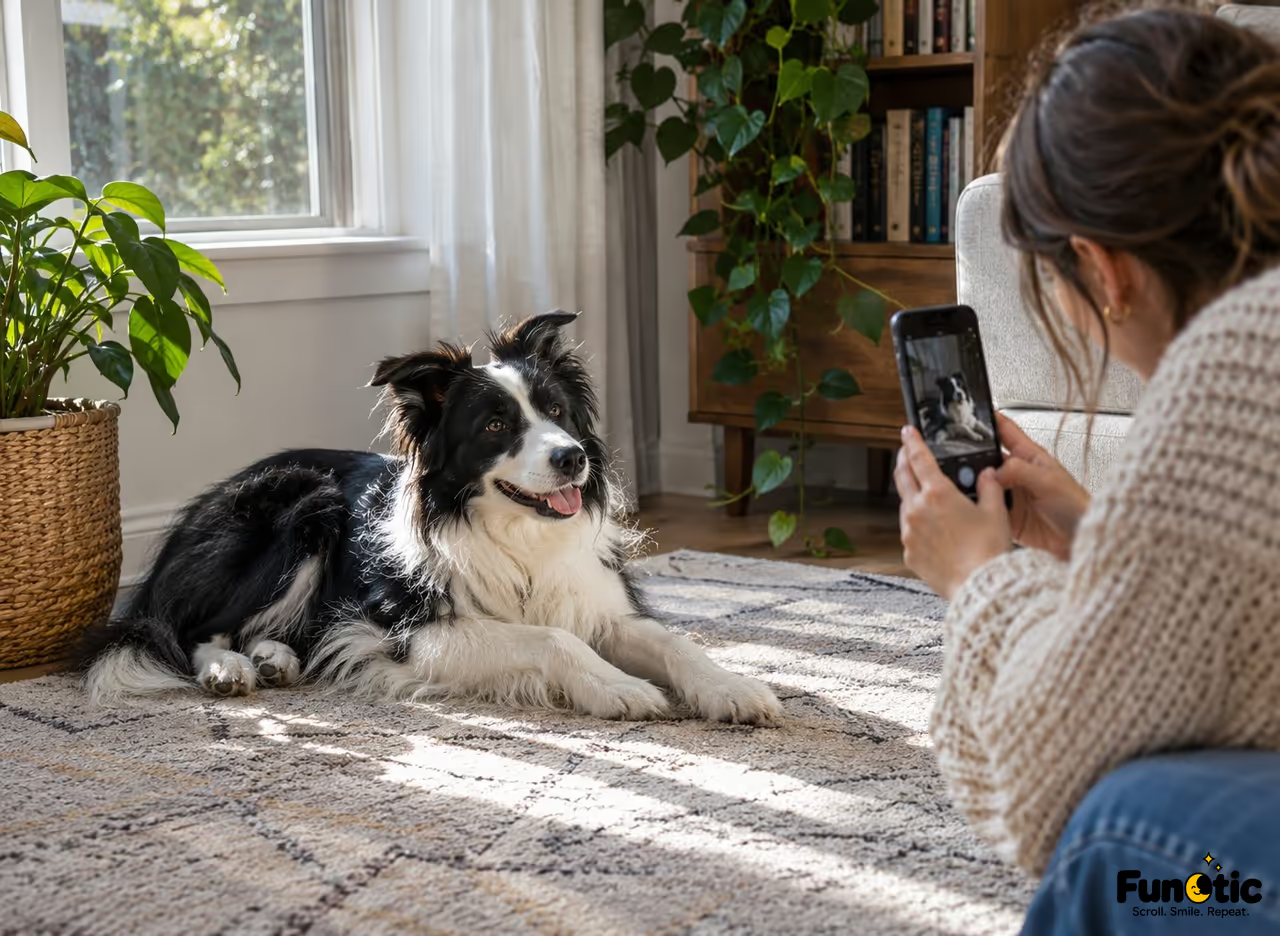
Pet photo trends for dogs who set the pace
Film a favorite routine from a comfortable distance. A dog can sniff a toy, wait for a familiar cue, stretch after a nap or place a paw on a hand if the dog already knows and enjoys that behavior. A simple heart shape made with your hands can work if the dog chooses to put its nose through. Keep treats in your hand or on the floor instead of throwing food at the dog’s face.
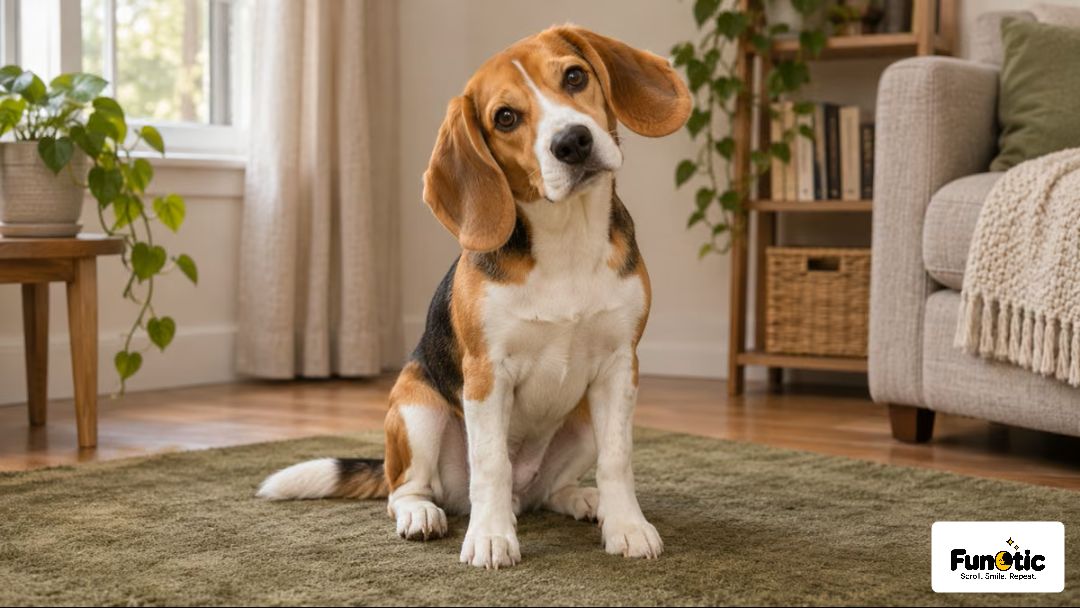
Short clips of a walk, a window watch or a relaxed head tilt can also work with audio trends. The dog does not need to react to the sound. Capture a quiet moment first, then add audio later. Funotic’s guide to photographing a dog’s head tilt focuses on patient timing and calm attention.
Pet photo trends for cats who choose the scene
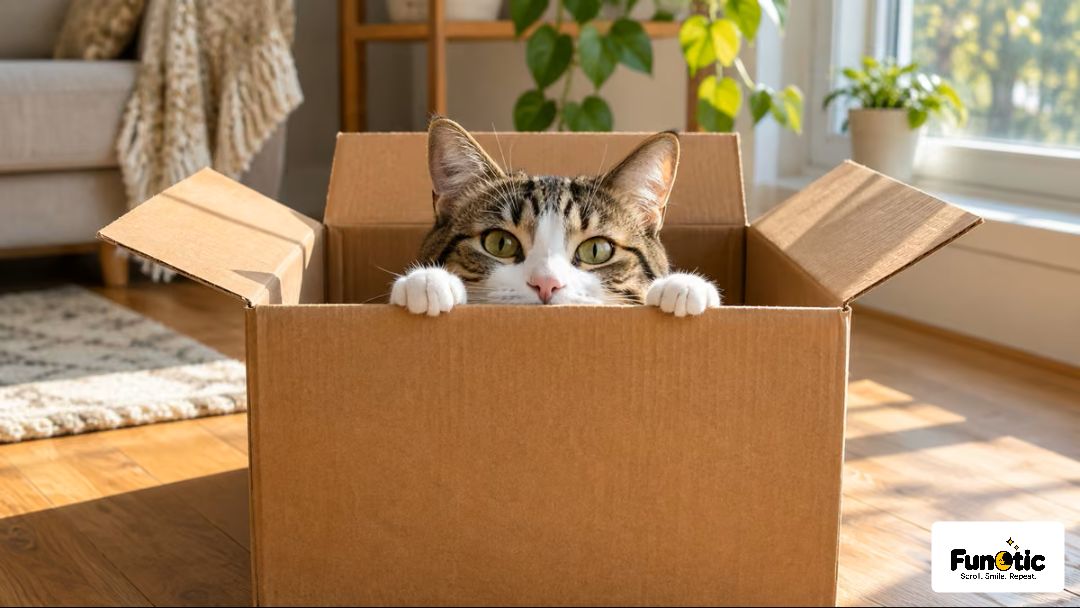
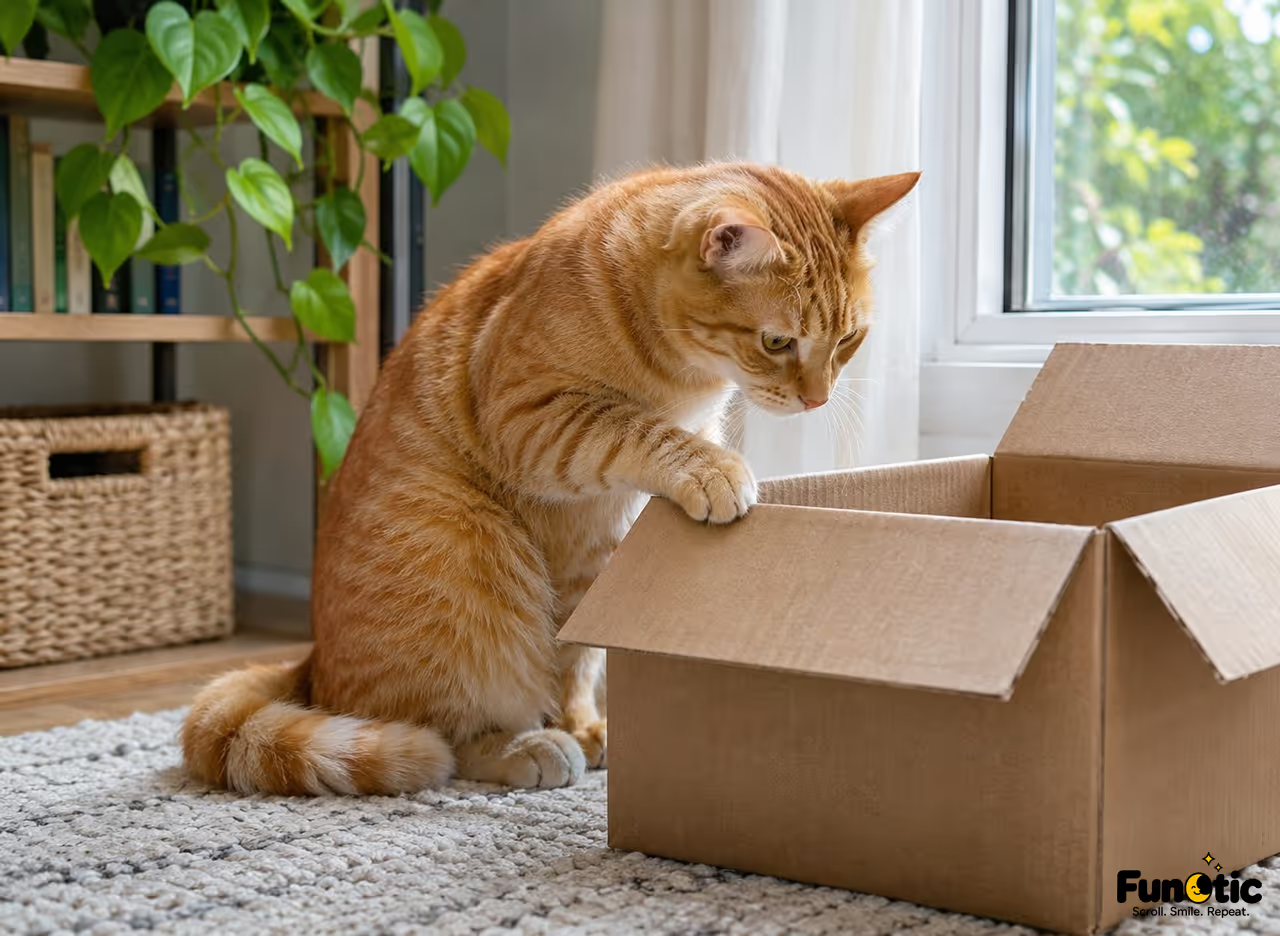
Let the cat choose the setting. A box, perch, blanket or familiar window can become the scene without moving the cat into position. Try a photo from floor level while the cat investigates, or record a slow blink from a respectful distance. A favorite toy can prompt a little movement, but stop if the cat loses interest or retreats.
For a simple trend, record the cat going about an ordinary routine and add a popular sound afterward. Avoid sudden noises, startling props, forced outfits or lifting a cat for a reaction. If a cat steps into a box on its own, that natural choice makes a better moment than a staged setup. Funotic has more ideas in its guide to taking cat-in-a-box photos at home.
Keep the setup safe and brief
Clear nearby cords, hot drinks, small objects and anything the pet might swallow. Use natural light when you can, keep the camera quiet and let the animal leave the frame. Film a few short clips rather than repeating a setup until the pet gets tired. If a trend requires restraint, a sudden scare or an uncomfortable position, choose a different idea.
Veterinarians and animal behavior experts have raised concerns about challenges that frighten pets or put strain on their bodies. Humane World for Animals’ review of viral pet trends describes safer alternatives, including voluntary behaviors and audio added to a pet’s normal day.
Let the pet set the pace
The best pet photo trends leave the animal comfortable before, during and after filming. Keep sessions short, reward calm choices and do not treat avoidance as a cue to try harder. A relaxed photograph may attract fewer dramatic reactions, but it shows a real moment and protects the trust that makes future photos possible.