

Pet insurance can help with eligible veterinary bills, but exclusions and pre-existing conditions change what a claim pays. Try these five scenarios before reading the explanations. They are general examples, not promises that a particular insurer will pay a claim.
Pet insurance choices are easier to compare when you check exclusions, waiting periods and claim limits.
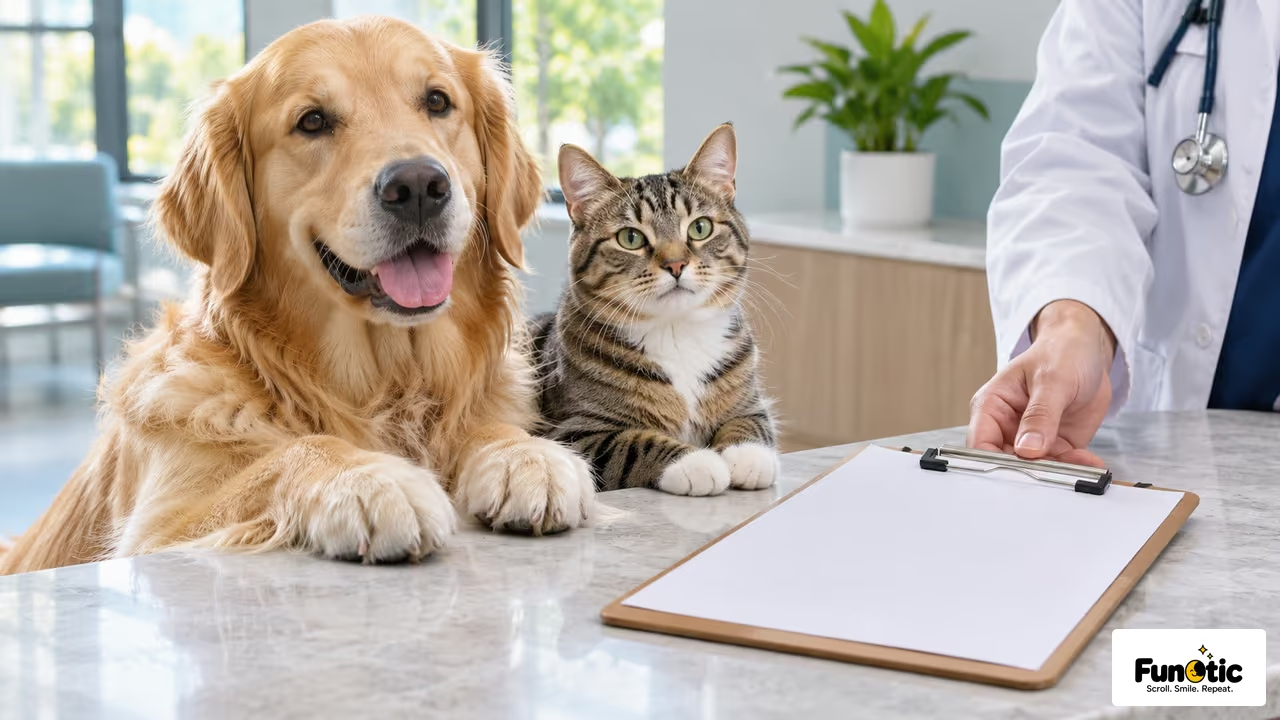
Read the pet insurance exclusions
- Your dog develops a new illness after the policy’s waiting period. Covered, excluded or unclear?
- Your cat had symptoms before the start date, but no claim was filed. Does that history matter?
- Your pet needs routine vaccinations and flea treatment. Are these automatically part of accident-and-illness cover?
- The bill is covered, but the policy has an excess and a reimbursement percentage. Will the insurer necessarily pay the full bill?
- You switch providers after an ongoing condition has been treated. Will the new provider automatically cover it?
Reveal the policy-reading guide
1. It may be eligible if the illness is covered and began after the waiting period, but limits, exclusions and evidence still apply. 2. Yes, symptoms and treatment history can matter even if you did not make a previous claim. 3. Routine care is commonly excluded from standard accident-and-illness cover or sold as a separate wellness benefit. 4. No. Deductibles or excesses, co-insurance, sub-limits and annual caps can reduce reimbursement. 5. No. A new insurer may treat a prior condition as pre-existing. Read the actual policy and ask the insurer in writing.
What changes the answer?
In the UK, the Association of British Insurers explains that most policies do not cover pre-existing conditions and that waiting periods commonly apply at the start of cover. It also notes that policies differ in exclusions and benefits. In the United States, the National Association of Insurance Commissioners similarly flags pre-existing conditions, waiting periods and hereditary or congenital conditions as terms to check. State rules and policy wording can differ.

Look for the definitions of “pre-existing condition,” “curable condition,” “waiting period,” “excess” or “deductible,” “co-insurance,” “annual limit” and “bilateral condition.” Read both the summary and full policy wording. Ask how the insurer will handle a condition that affects one side of the body and later appears on the other, and whether the policy treats ongoing conditions differently at renewal.

Build your own claim checklist
- When did the symptoms first appear?
- Was there a consultation, medication or note in the veterinary record before cover began?
- Has the waiting period ended?
- Is the treatment listed as covered, limited or excluded?
- What deductible or excess, reimbursement rate and annual limit apply?
- What documents and deadlines does the claim process require?
Keep veterinary records and policy documents together. If a claim is denied, request the specific policy wording and facts used in the decision, then follow the insurer’s complaint process and the relevant regulator or ombudsman route for your country.
This quiz is for understanding policy language, not choosing a product or predicting an individual claim. For a lighter animal story, see Funotic’s tiny hamster feature.
The best time to understand an exclusion is before a claim is filed. If a phrase is unclear, ask the insurer to explain it in writing.
Sources: UK ABI pet insurance guide, US NAIC pet insurance guide, UK Financial Ombudsman: pet insurance.
Explore more Funotic animals guides for related ideas.