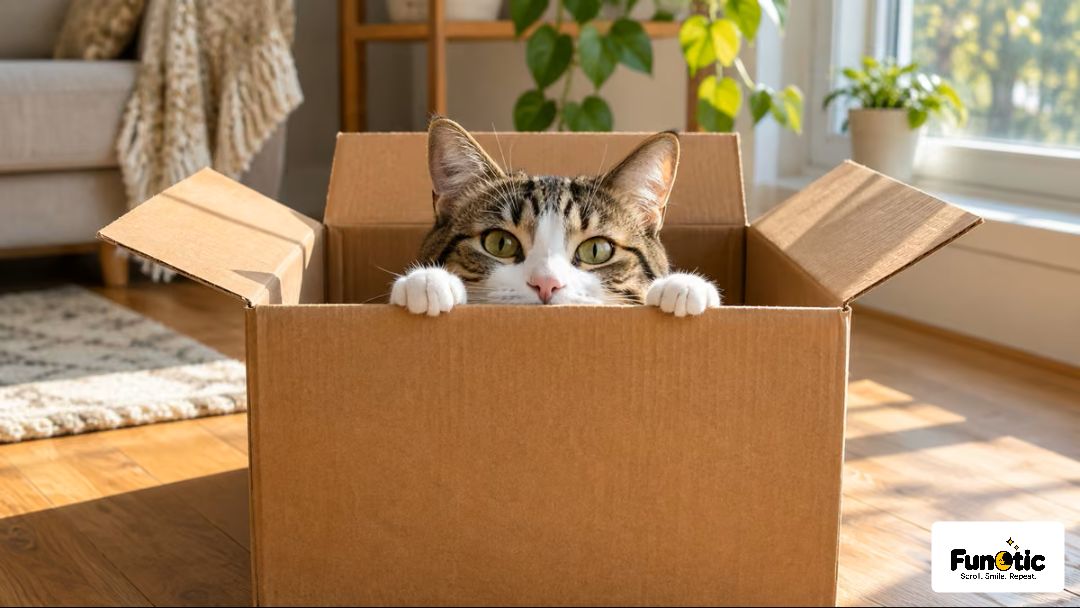

Indoor cat enrichment gives a cat more ways to explore, play, rest and use natural behaviours when daylight is short or outdoor time is limited. You do not need a room full of new gear. A safe window perch, a few rotating toys and short, regular play sessions can make the home more interesting.
Indoor cat enrichment starts with choice
Cats differ in what they enjoy. Some like to climb and watch from a high place, while others prefer hiding, scratching or chasing a toy along the floor. The American Association of Feline Practitioners’ environmental guidelines describe the value of resources that let cats play, scratch, rest and express predatory behaviour. Watch what your cat chooses, then build on those preferences.
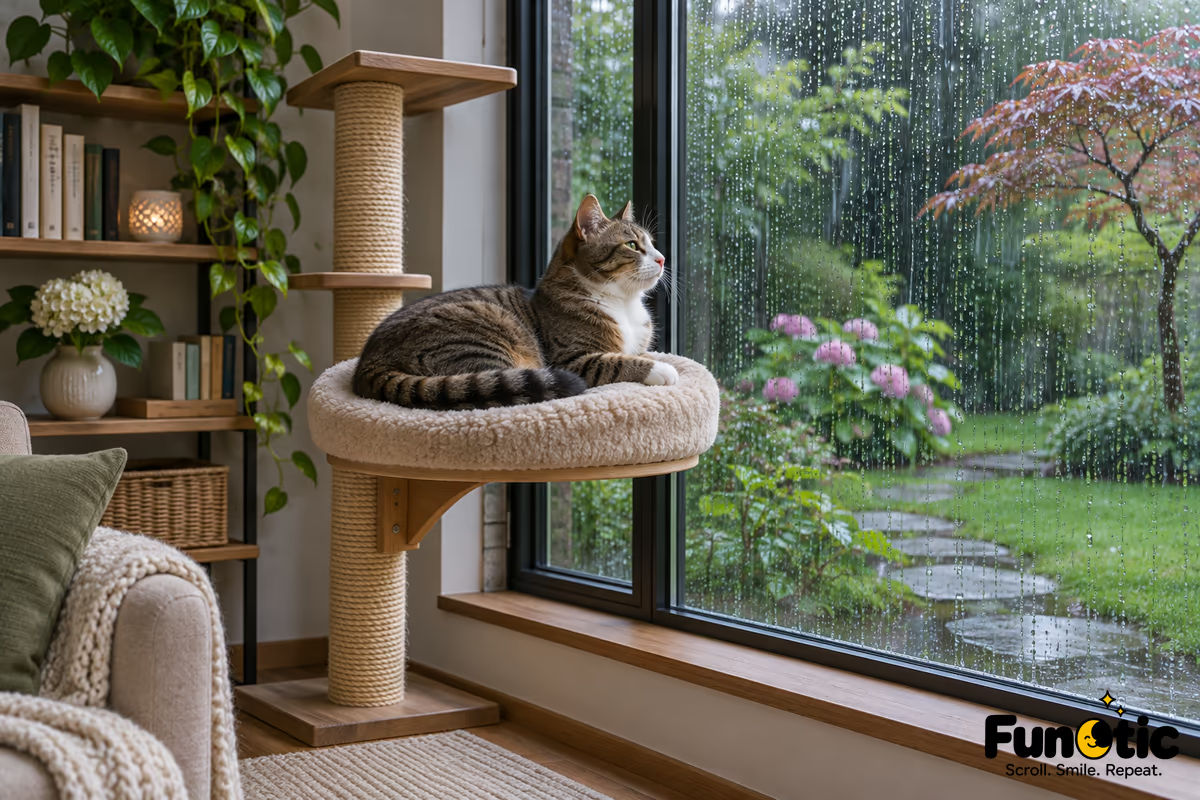
Make resting spots available in more than one place. A stable perch near a window can offer a view of birds, trees or passing activity. Check that the surface is secure and the window is safely closed or screened. Add a quiet bed or covered box for a cat that prefers to retreat. Keep food, water and litter in separate, accessible places.
Use short play sessions to add variety
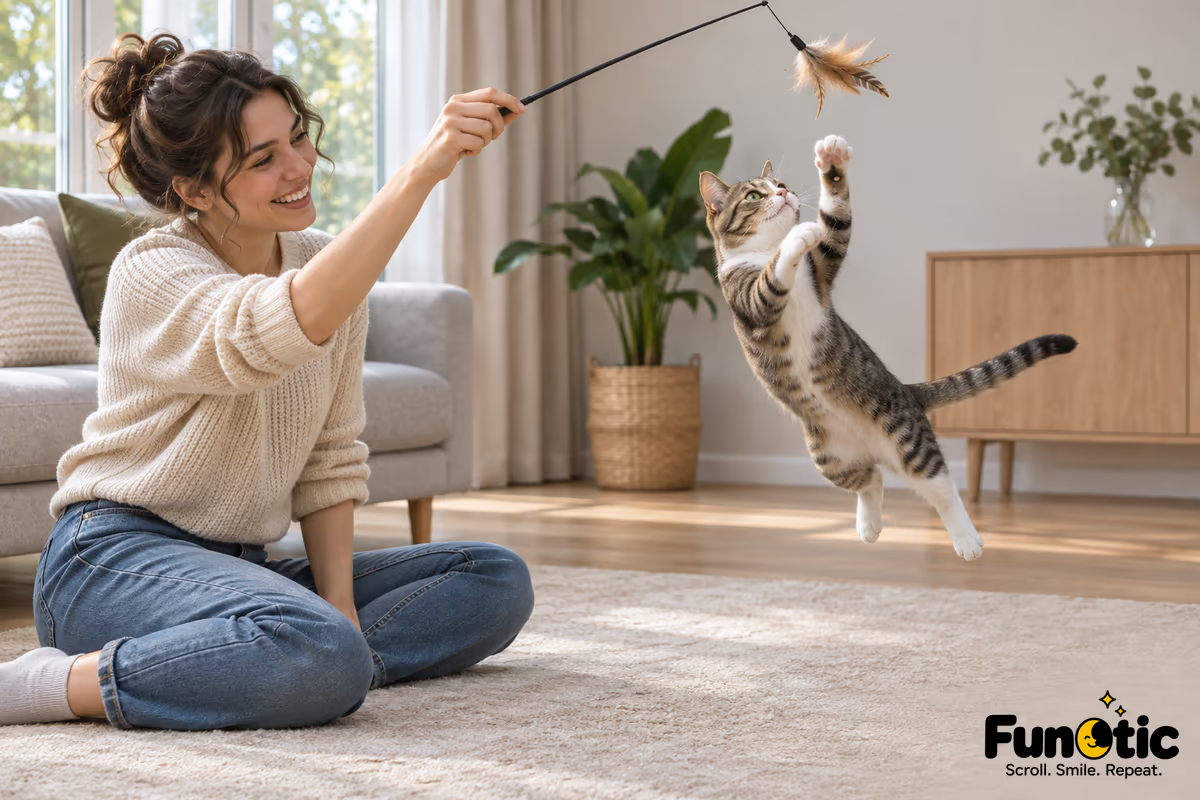
Try a wand toy for a few minutes, moving it like prey across the floor and letting your cat catch it at intervals. Some cats prefer soft balls or toys they can bat across a clear space. Stop if your cat loses interest or seems uncomfortable. Put string and wand toys away after play so they are not left unsupervised.
Rotate a small selection rather than leaving every toy out all the time. Store a few safely, then swap them every several days. A cardboard box, paper bag with handles removed or a tunnel may provide novelty without a large purchase. Check homemade items for loose parts, sharp edges or anything your cat might chew and swallow.
Make mealtimes more engaging
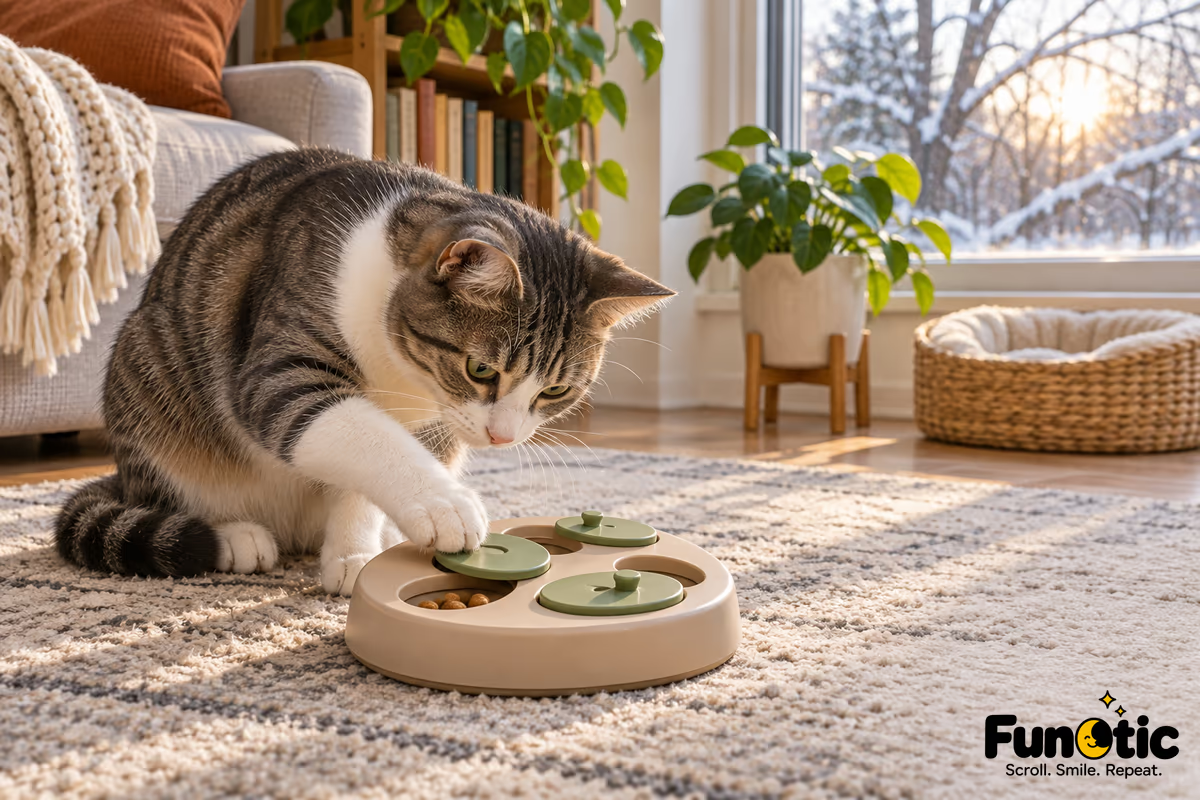
Food puzzles and treat toys can encourage sniffing and problem solving. Start with an easy design and a small portion of your cat’s normal food. Follow the product instructions and keep an eye on how your cat responds. A puzzle should not make it difficult for a cat to get enough food. If a cat has a medical diet or health condition, check with your veterinarian before changing how meals are served.
A simple weekly indoor cat enrichment plan
- Offer a few minutes of interactive play at a time that suits your household.
- Keep one elevated resting place and one covered hiding place available.
- Swap toys every few days and store anything with string after use.
- Use a puzzle feeder for part of a meal if your cat is comfortable with it.
- Notice which activities your cat repeats, then adjust the routine.
Enrichment should feel inviting, not like a test. Leave a new object in the room and allow your cat to investigate at its own pace. If the cat avoids a toy or space, try a different location or activity rather than forcing interaction. For more pet care and photo ideas, browse our Animals coverage.
Keep indoor cat enrichment low effort
Set a small routine that can survive a busy week. Put a perch in a safe, comfortable place, keep a scratching surface stable, and choose two or three play moments that fit your day. A predictable routine can be more useful than buying several new products. If your cat is older or has limited mobility, choose activities that do not require jumping and ask your veterinarian about safe options.
Small changes add up when they match the individual cat. A little daily play, a good place to look outside and safe opportunities to scratch or explore can make indoor days feel less repetitive through winter and beyond.