
The best leftover roast recipes make the next meal feel different from the first one. That matters after a festive dinner, when the fridge can fill with a little of everything. WRAP’s 2026 festive survey found that 33% of respondents had more leftovers than usual over Christmas. A plan for using them turns the remaining food into ingredients rather than a second identical plate. WRAP’s research on festive food also highlights safe storage and inspiration as practical ways to reduce waste.
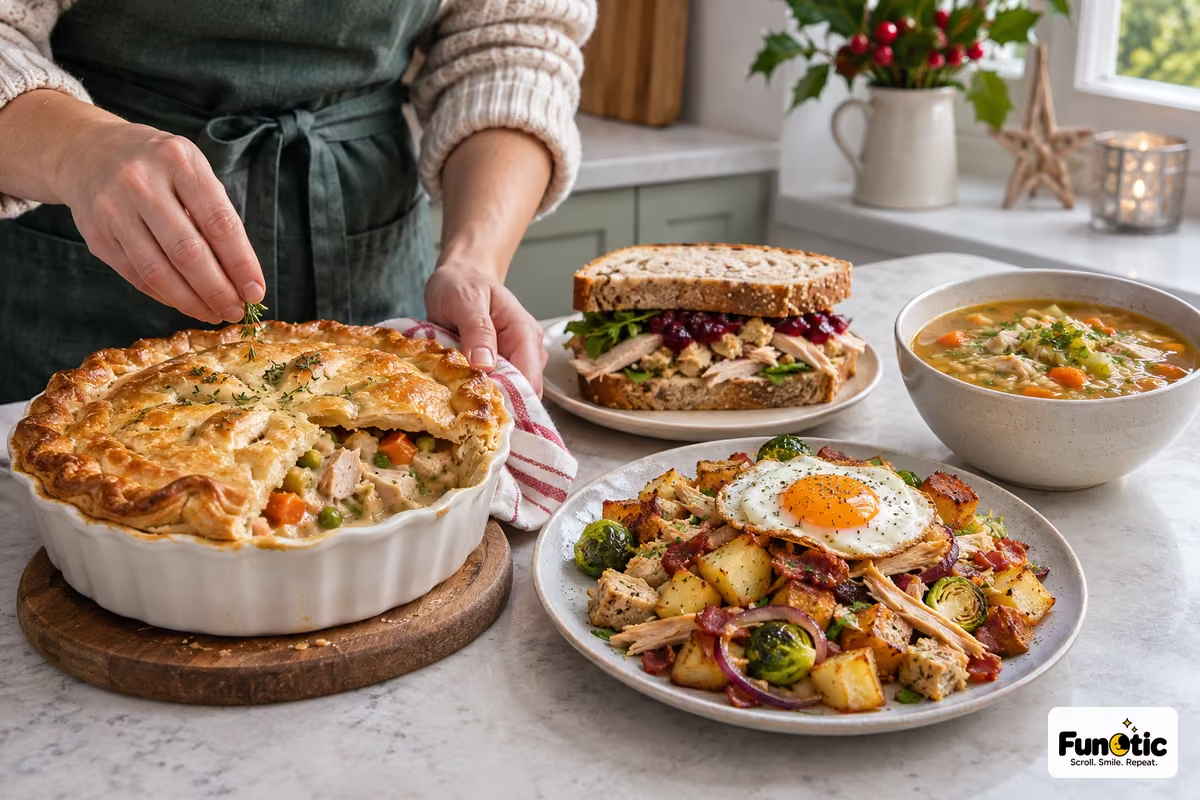
1. Make a quick roast vegetable soup
Put leftover carrots, parsnips, onions, or squash in a saucepan with stock. Add water until the vegetables are covered, simmer until hot, then blend if you prefer a smooth soup. A spoon of yogurt or cream can finish it, but the vegetables should carry the flavour. Keep the seasoning simple until you have tasted the stock.
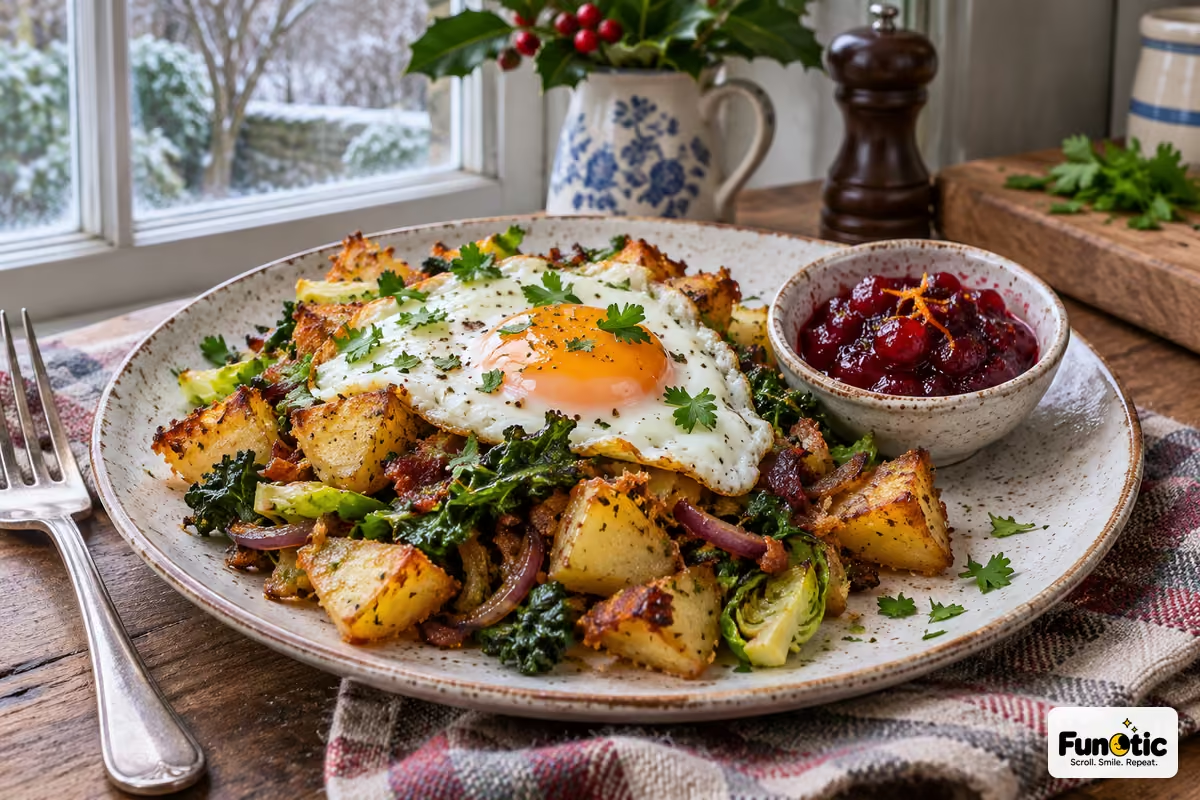
2. Build a crisp potato and greens pan
Cut cooked potatoes into bite-sized pieces and brown them in a pan with a small amount of oil. Add chopped greens or sprouts near the end so they warm without turning soft. If you have a little meat, add it once the potatoes are crisp. Serve with an egg or a spoon of mustard dressing.
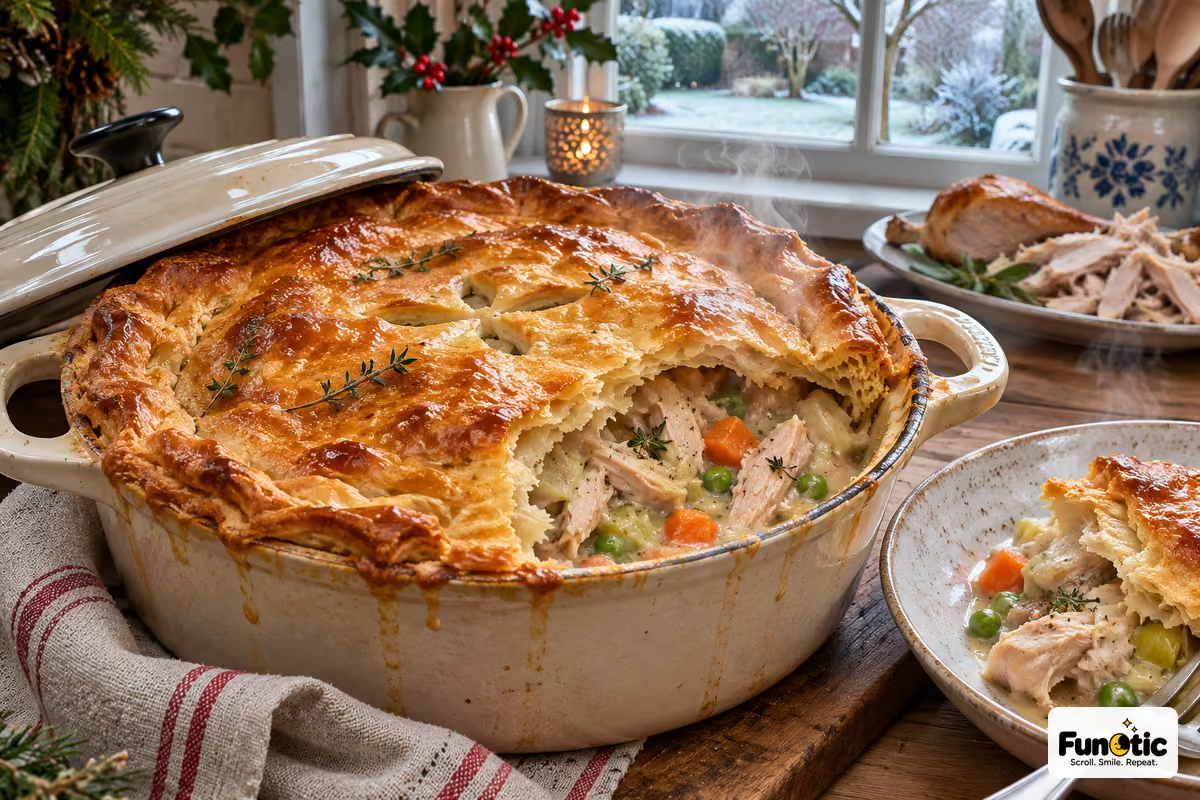
3. Fill a pie or hand pies
Combine chopped roast meat or vegetables with a thick sauce and a handful of peas. Spoon the mixture into a pie dish or pastry squares, then bake according to the pastry directions until fully hot and golden. Keep the filling moist but not runny so it holds together when served.
4. Make a sharp, crunchy sandwich
Layer thin slices of roast meat with leftover cabbage or salad leaves, pickles, and a bright sauce. Mustard, horseradish, cranberry, or a little lemon can lift rich flavours. Toast the bread if the filling is soft, and assemble just before eating so it stays crisp.
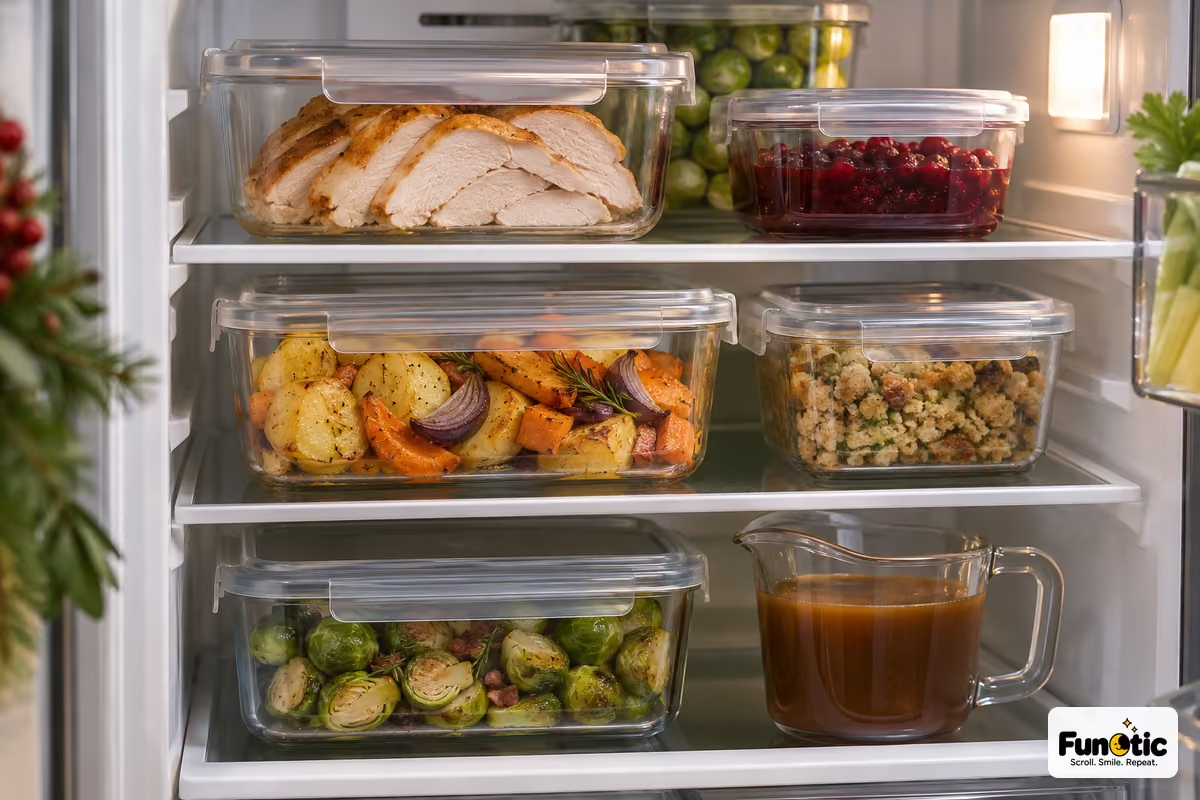
Store cooked food promptly in shallow containers, label it, and follow current food-safety guidance for refrigeration, freezing, and reheating. Use only ingredients that have been stored safely. If you are planning the main meal too, see the Christmas dinner for six portion plan. A few planned combinations can clear the fridge while giving each meal its own flavour.
Choose the meal by texture and effort
Start by grouping the leftovers: roast meat, cooked vegetables, potatoes, greens, gravy, and sauces. Then choose a dish that gives them a different texture. Soft vegetables work well in soup, firm potatoes can crisp in a pan, and small amounts of meat can add flavour to a pie filling or sandwich. You do not need to combine every leftover in one recipe. A focused meal is easier to season and more appealing to eat.
Use what you have as a guide rather than following a rigid recipe. If the vegetables are already well seasoned, begin with less salt. If a soup tastes flat, a little acidity from lemon or vinegar can brighten it. If a pie filling seems loose, thicken it before adding pastry. These small adjustments help the next meal taste intentional instead of like a reheated plate.
Plan portions before heating everything
Take out only the amount you expect to serve and keep the rest chilled or frozen according to current guidance. Reheat food thoroughly and avoid repeatedly warming the same batch. If you are cooking for one or two people, divide the roast into meal-size portions soon after dinner. Label each container with its contents and date, then place the next meal where it is easy to find. A simple rotation prevents the most useful ingredients from disappearing behind new groceries.
The challenge is to make each plate distinct. Soup can be smooth and warming, the potato pan crisp and savoury, a pie soft in the middle, and a sandwich bright with pickles. A little planning gives the same festive meal four different endings.