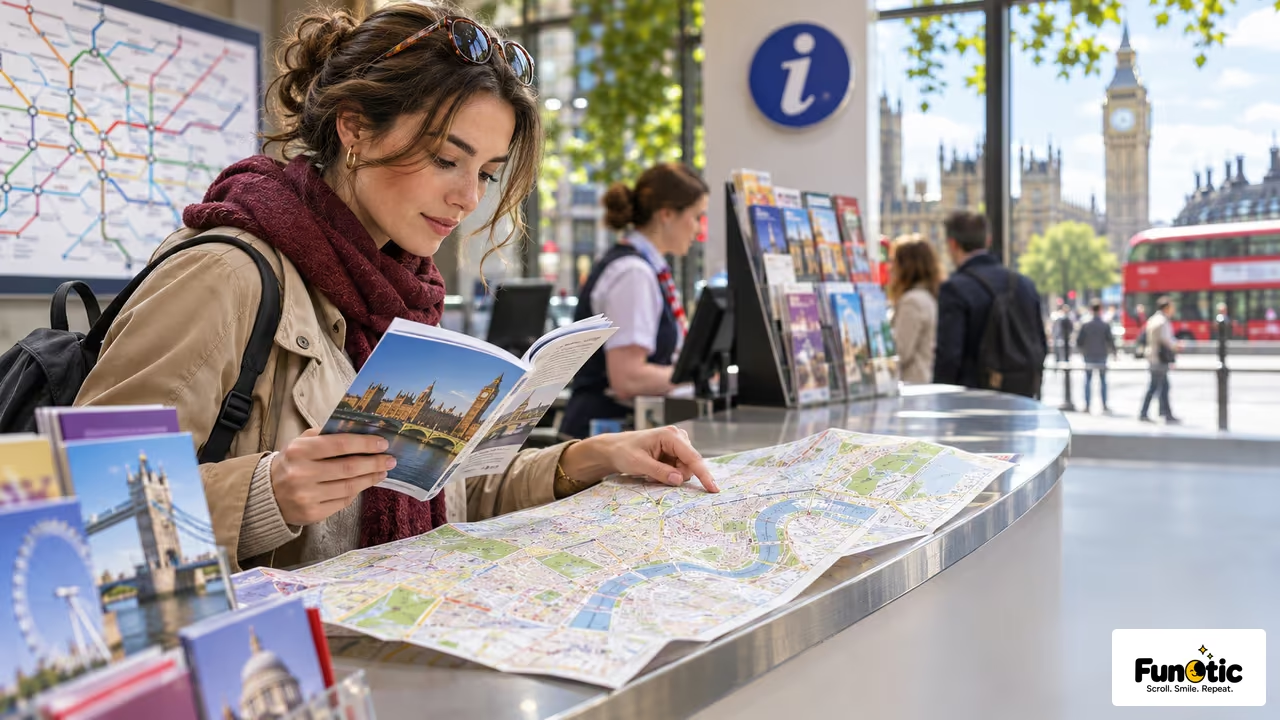

A slow weekend trip can feel full without packing every hour. Choose one comfortable base, keep one meaningful plan each day, and let meals, weather, and energy set the pace between them.

Build a slow weekend trip around one priority
Before booking, agree on the reason for the break. It might be a long walk, a favorite exhibition, a meal with friends, or simply a change of scenery. One clear priority makes it easier to choose a destination and avoid trying to fit in a second holiday’s worth of activities.
British Airways describes “chronocations” as trips shaped around personal timing and slower experiences in its 2026 travel trends. The idea works at any budget: plan around the hours that suit you, rather than treating an early start as proof that the weekend is being used well.
Pick a base that makes a slow weekend trip easier
If you are planning a slow weekend trip, look for a place to stay that makes the chosen activity easy. If you want to walk, check the route from the door and whether local buses can shorten the return. If food is the priority, book a neighborhood with cafes and a grocery shop nearby. Check check-in times, parking, and late transport before you confirm a room.
For a weekend with a rail connection, you can make the ride part of the break. Our guide to planning a scenic train day trip explains how to choose a route that leaves time to enjoy the destination.
Keep the daily plan deliberately small
Choose one fixed activity per day, then leave the surrounding hours open. A morning reservation can be followed by lunch wherever you are. An afternoon walk can finish when you feel ready, not when a schedule says to move on. Save a nearby indoor option in case the weather turns.
Make travel between activities simple. Group places by neighborhood, check the last return service, and avoid crossing town several times for separate bookings. When you do want to see another area, make the journey itself part of the day. A ferry, tram, or local train gives the outing a natural rhythm.
Protect a quiet hour
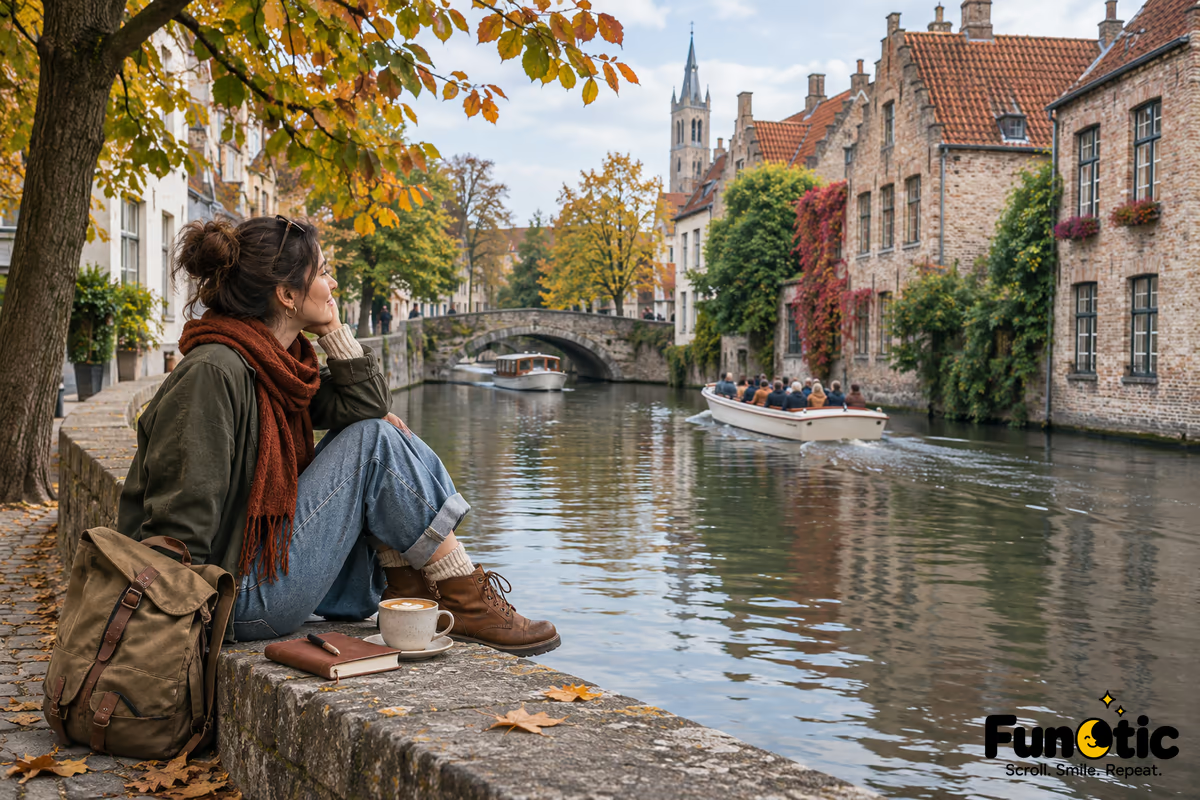
Rest is part of the itinerary. Leave enough time to return to your room, sit down for coffee, or read before dinner. This is especially useful when travelling with children, older relatives, or anyone who finds crowded schedules tiring. If you are travelling with friends, agree that people can split up for an hour and meet again at a simple landmark.
Spend where it improves the experience
Set a trip budget before you leave, then decide which convenience is worth paying for. A central room might save taxi fares. A refundable ticket may make sense if weather is likely to affect your plans. Other things can stay simple, such as a picnic lunch or a walk that starts from the station. Planning a few details in advance can keep the rest of the weekend relaxed.
For visitors exploring Britain, VisitBritain’s domestic sentiment tracker is a useful place to review current travel intentions and destination interests. Check local opening times and transport notices close to your dates, since service patterns can change.
A short planning checklist
- Choose one main reason for the break.
- Book a base near that activity or a reliable transit line.
- Make one fixed plan each day.
- Keep an indoor alternative and a return route saved.
- Leave time to rest between plans.
A slow weekend trip is not a test of how little you do. It is a way to make a short trip feel like a break. Keep the essentials easy, leave space for ordinary pleasures, and let the destination set a comfortable pace.