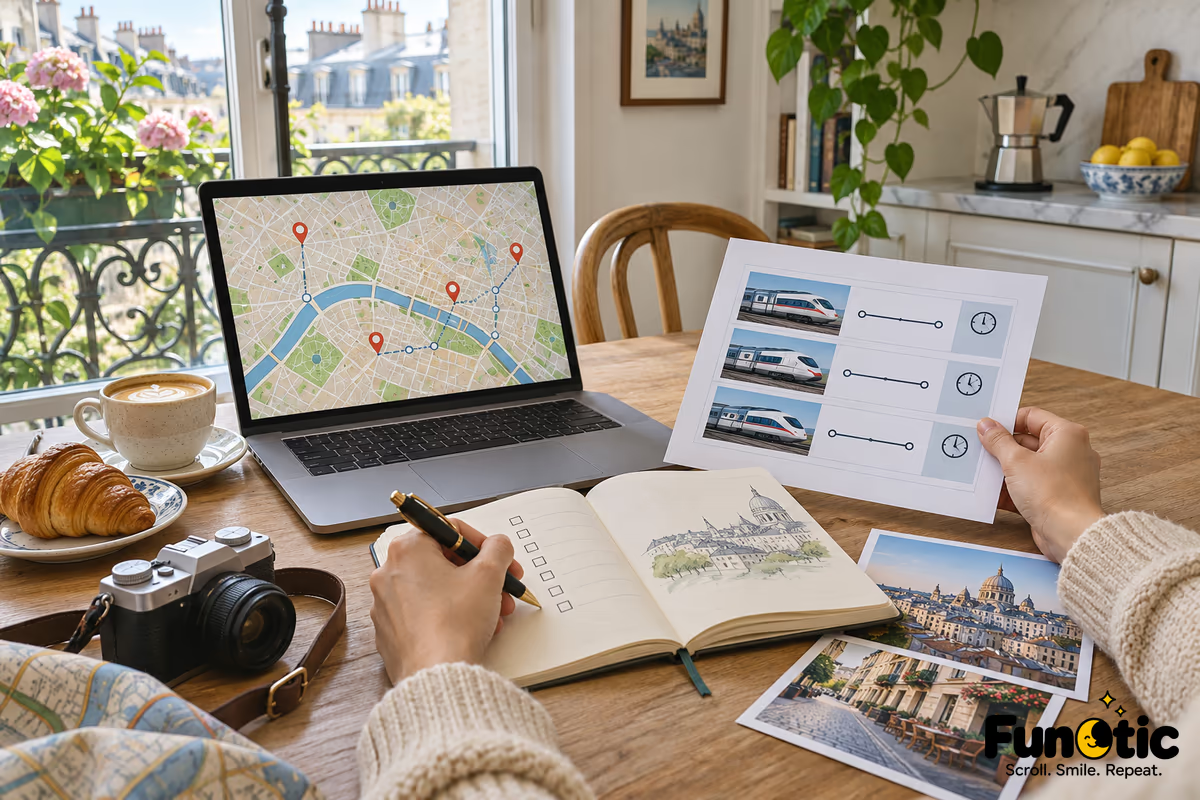

A darecation is a trip built around trying something that feels a little outside your usual routine. The challenge might be a guided kayak trip, a beginner climbing lesson or a solo day on a well marked trail. The goal is not to collect the most extreme activity. It is to choose one memorable stretch, prepare for it and leave enough time to enjoy the destination too.
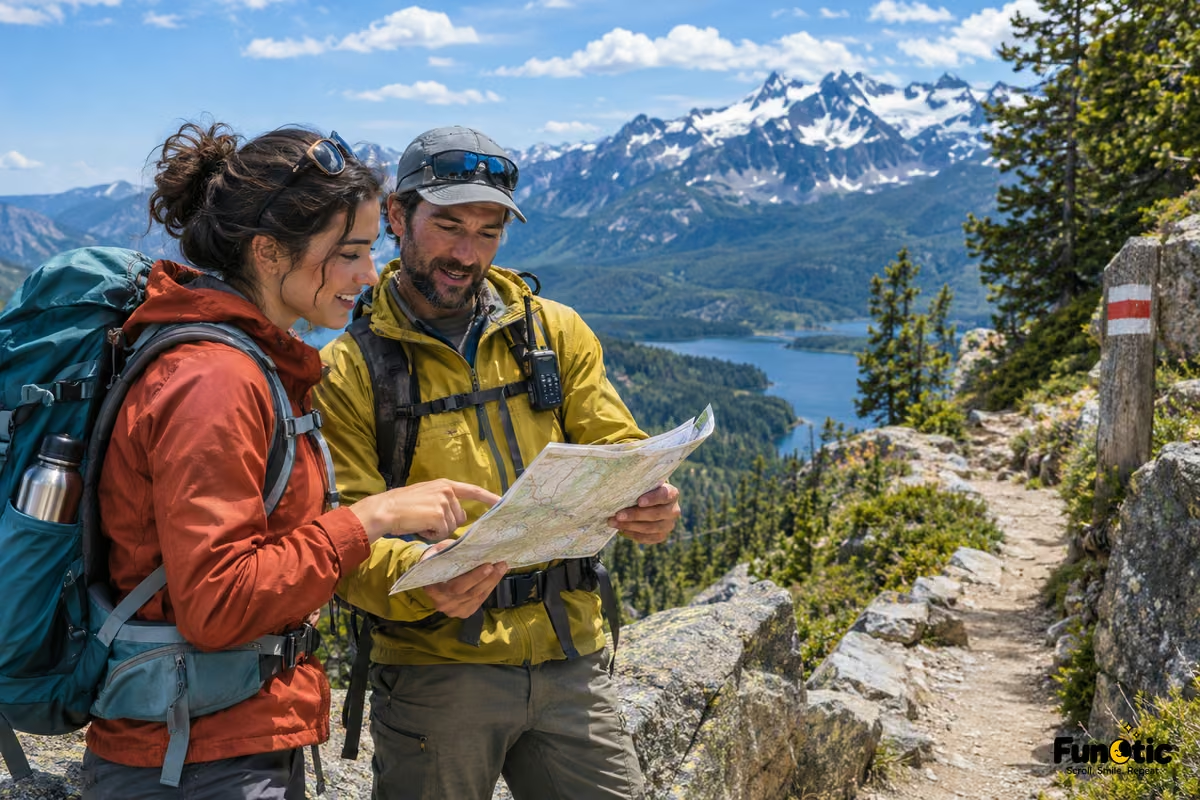
Pick a challenge that fits your comfort level
Start with something that makes you curious, not something you feel pressured to attempt. If heights make you uneasy, a guided coastal walk may feel more rewarding than a high ropes course. If you want to be more active, try a short paddle or a cycling tour before committing to a full day. Pinterest’s 2026 trend report uses the term “Darecations” for trips that put a challenge at the center. The report is a useful prompt for ideas, not a reason to push beyond your limits. Read Pinterest Predicts 2026 for the wider trend context.
Book the guide and check the conditions
For a first attempt, a qualified local guide can explain the route, equipment and weather risks. Check what is included, what experience is expected and what happens if conditions change. Ask about group size, accessibility and cancellation terms before paying. Look for current guidance from the activity provider or local authority, since conditions can change between seasons and even within a day.
Leave breathing room around the activity
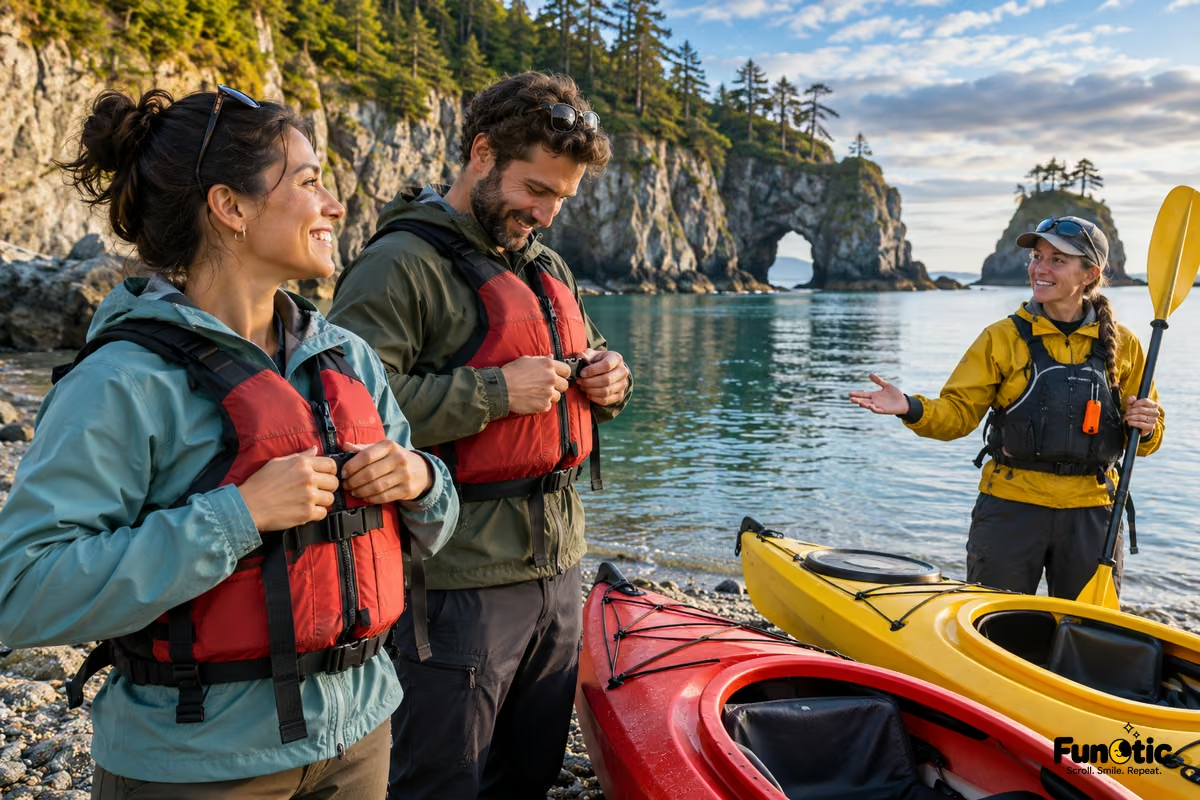
Do not book the biggest challenge on the first morning after a late arrival. Give yourself time to sleep, eat and learn the area. Keep the rest of the itinerary light enough that the activity can be the focus. A slower dinner and an early night can be a better follow up than another packed excursion.
Bring only what the guide recommends. That may include a water bottle, closed shoes, sun protection or a spare layer. Do not assume that equipment from home is suitable for a technical activity. Confirm the list with the operator and ask before substituting anything. Check the forecast again the day before, since weather may affect both safety and the route.
Use a personal checklist
Share your plan with someone you trust, especially if you will be traveling alone. Save the provider’s contact details and the meeting point offline. Check whether your travel insurance covers the activity you chose. If a plan depends on the weather, have a low effort alternative ready, such as a local museum, scenic cafe or market.
Choose a sensible backup plan
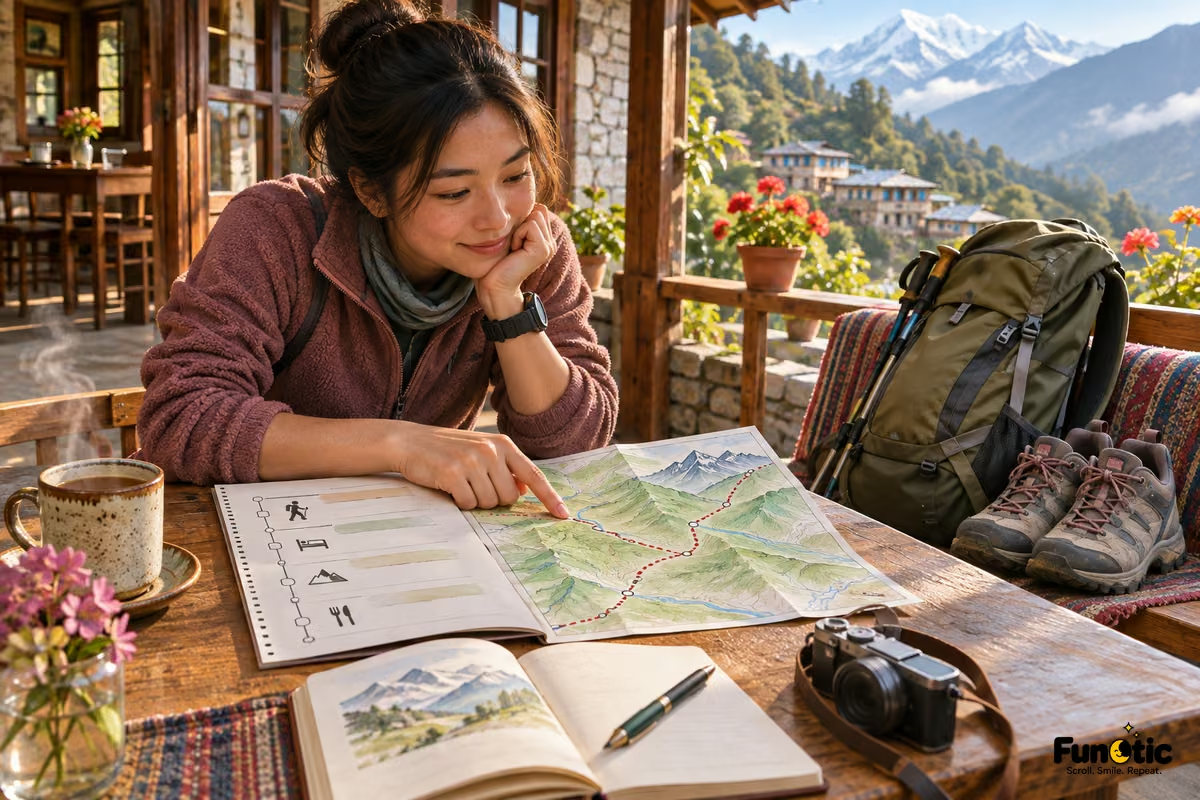
A canceled activity does not have to end the trip. Before departure, save a nearby indoor option and confirm how the operator handles cancellations or rescheduling. If the activity changes, follow the guide’s advice rather than trying to recreate it on your own. A good adventure includes the judgment to stop when conditions are wrong.
Let the win be showing up
A good darecation does not need a dramatic finish. The useful memory may be the first time you tried a new skill, asked for help or stayed calm when the plan changed. Take a photo if you want one, then put the phone away for part of the day. The activity is the story. The place around it is the reason you came. Travelers can find more destination ideas in Funotic’s Travel section.
Keep the budget and transport simple
Set a spending limit for the activity before you book, including transport, equipment rental and any required meals. Check how you will reach the meeting point and whether public transit runs early enough. A modest, well planned challenge is often easier to enjoy than an expensive day that leaves no time for the destination.