
The bicep heart vs waist heart trend uses a similar hand shape in two different places. A flexed arm helps complete one heart outline, while the curve of a hip frames the other. The second pose works as a reply to the first, which is why side by side videos make the joke clear.
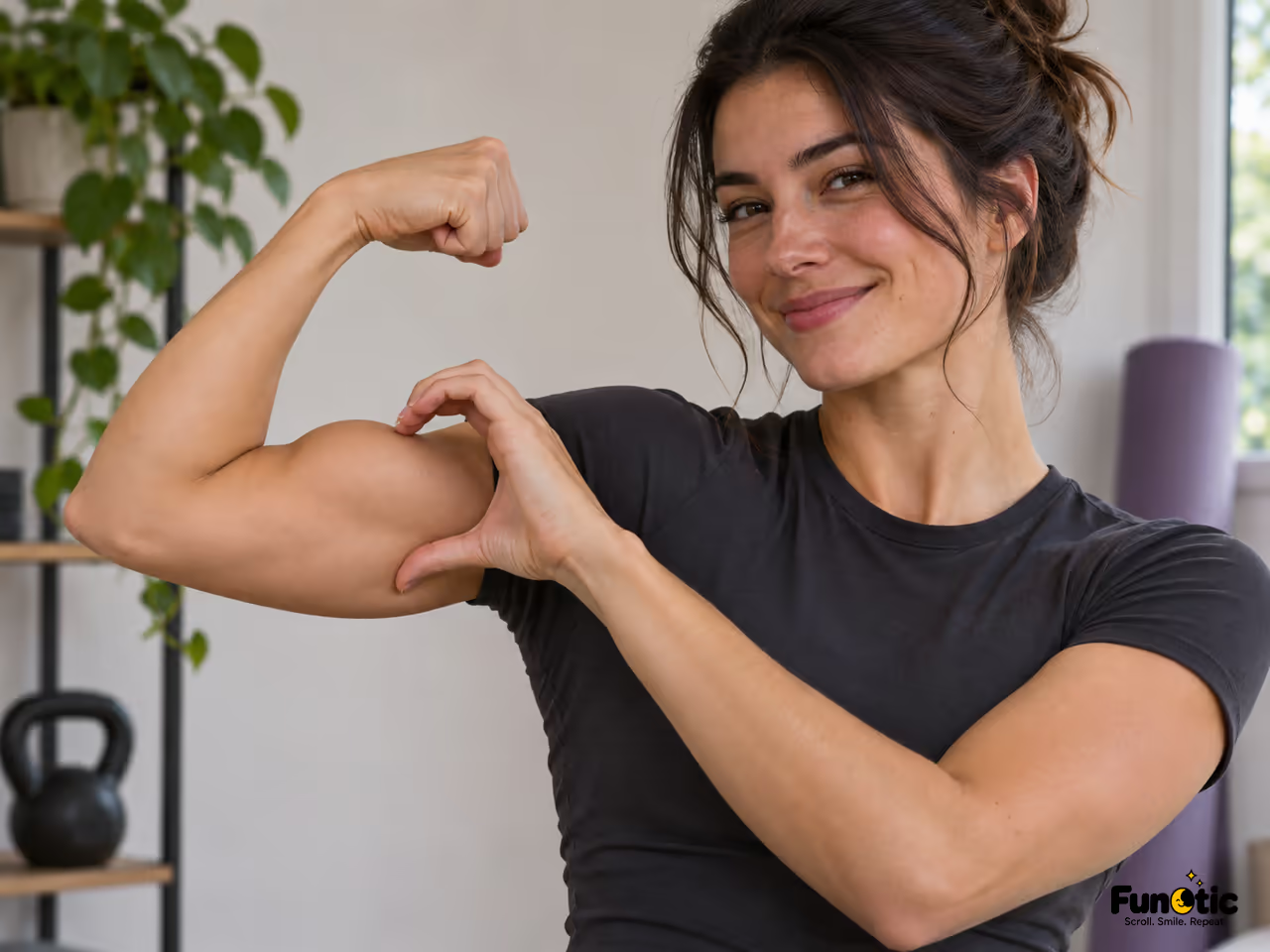
How the bicep heart pose works
Turn slightly to one side and raise an arm as if beginning a flex. Curve the fingers of that hand toward the upper arm. Bring the other hand into the gap and shape it like a C. The arm provides one curved edge and the hand provides the other. From the right camera angle, the two parts read as a heart near the shoulder.
The pose can be awkward at first because the fingers need to face the camera while the elbow stays comfortable. Try it in a mirror or use the front camera to check the outline. Keep the shoulder relaxed and avoid forcing the arm into a painful position. A small turn toward the lens often makes the shape easier to recognize.

How the waist heart answers it
In the waist version, one hand curves beside the hip instead of beside the bicep. The line of the waist supplies the other half of the outline. The visual joke is simple: one person shows the arm pose, then another uses the waist pose as a response. The gesture does not need dialogue because the placement change tells the story.
Keep the framing comfortable and fully clothed. A shirt tucked at the waist or a jacket makes the hand position easier to see without turning the clip into something more suggestive than intended. The best versions make the difference between the two shapes obvious in a second or two.
Why the comparison spread in short videos
Short video trends often travel because they are easy to copy and easy to vary. The bicep heart has a clear first pose, and the waist version has a recognizable answer. People can recreate either one alone, make a split screen with a friend or use a quick cut between the two. Viewers understand the contrast without needing a long caption.
Know Your Meme’s guide to the bicep heart trend collects examples and explains how the pose is made. Its entry on the waist heart trend describes the reply format that helped connect the two. Treat these as trend snapshots, since clips and captions can change quickly across TikTok and Instagram Reels.
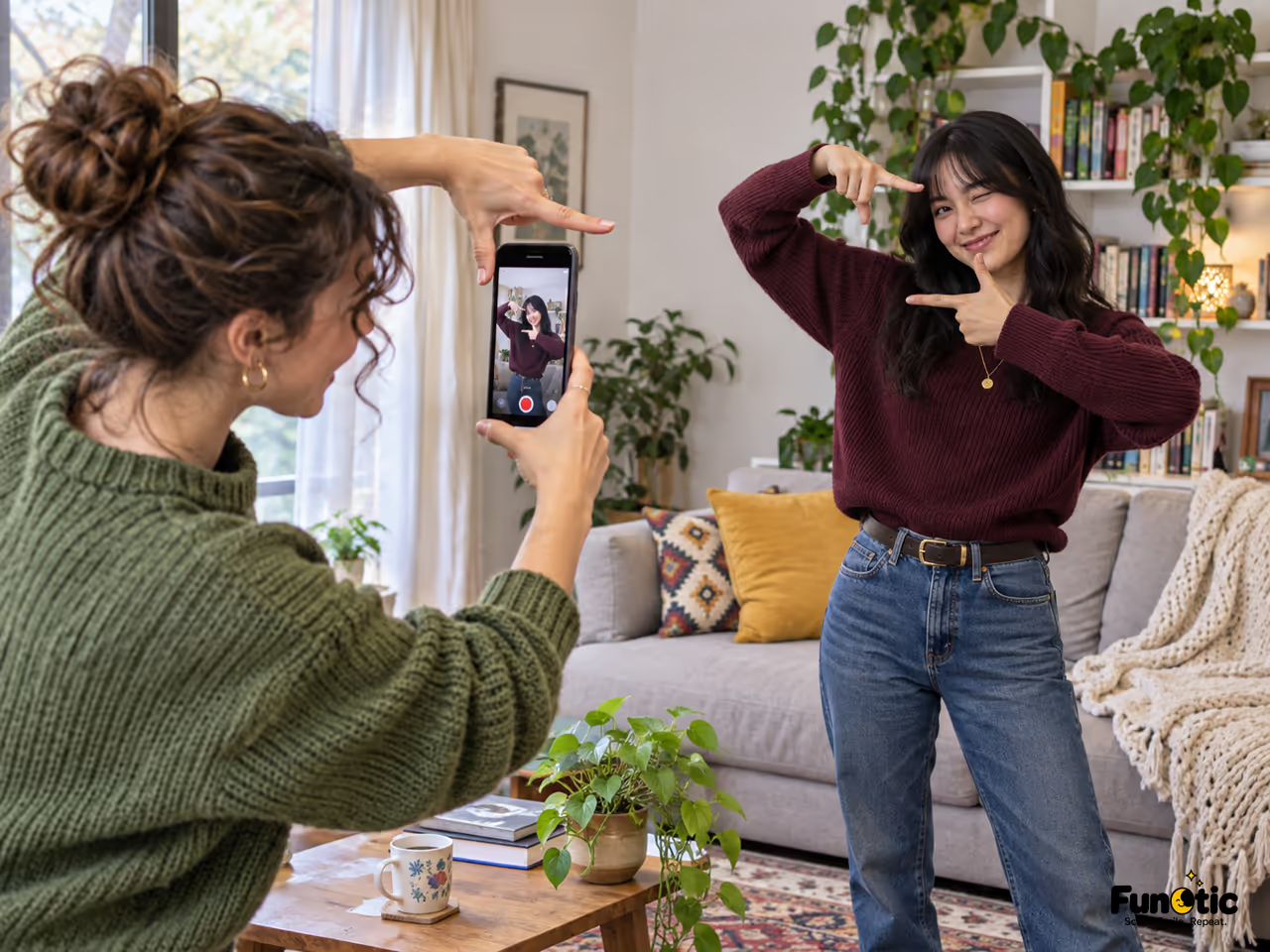
How to film a clear version
Place the phone at about chest height and leave some space around the shoulder or waist. Use a plain background so the fingers do not disappear into a busy scene. Record each pose for a moment after the hands settle. If you are making a comparison, keep the camera angle and lighting similar in both shots so the change in placement is easy to see.
Do a quick preview before posting. Check that the hands are in focus, the outline is not cropped and the pose feels comfortable. If the person on camera is a friend, ask before sharing the clip. A trend is more fun when everyone in the video is happy with how it appears online.
A quick trend, a simple visual punchline
The bicep heart vs waist heart comparison is a small example of how one pose can invite a reply. It uses a shared hand shape, then moves it to a different part of the frame. That makes the second version feel connected while still giving it a separate punchline. Look for the first pose near the arm and the response near the waist, and the format becomes easy to spot.
For more internet culture explainers, browse Funotic’s Funny section. Trends can peak and fade quickly, so descriptions are most useful when they explain what the gesture looks like instead of assuming every viewer has seen the same clip.