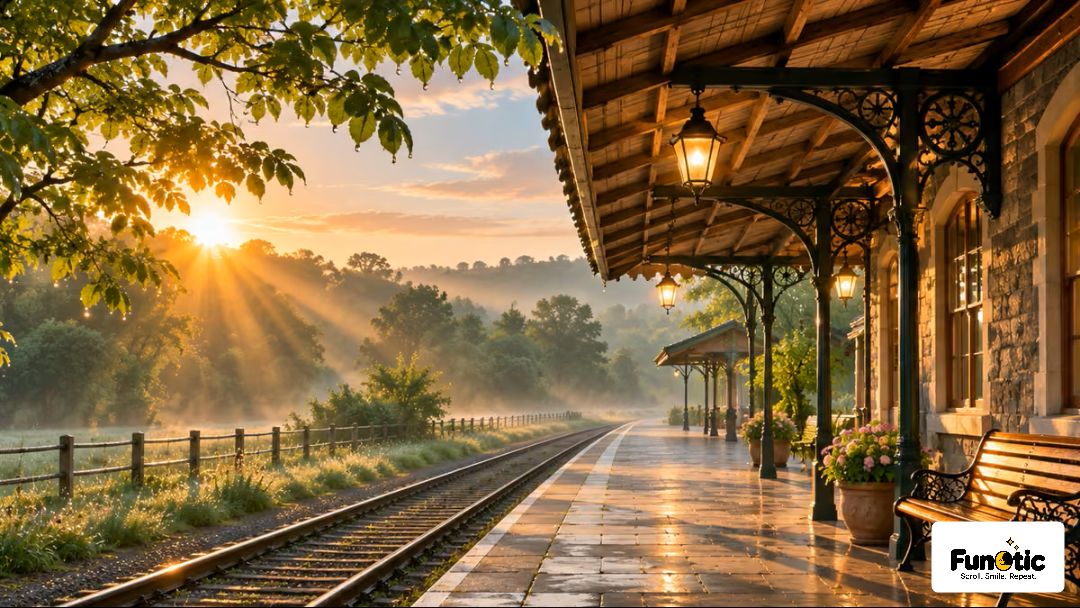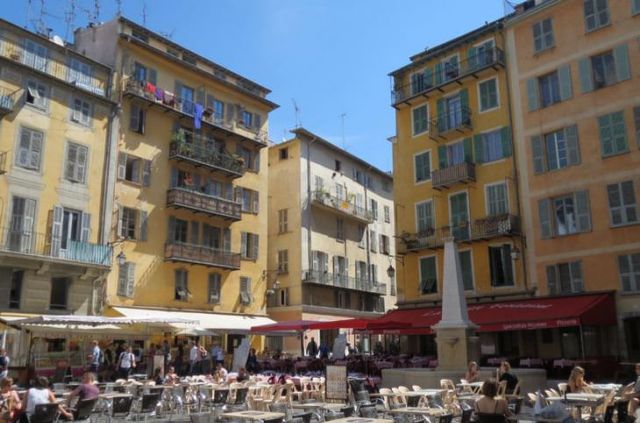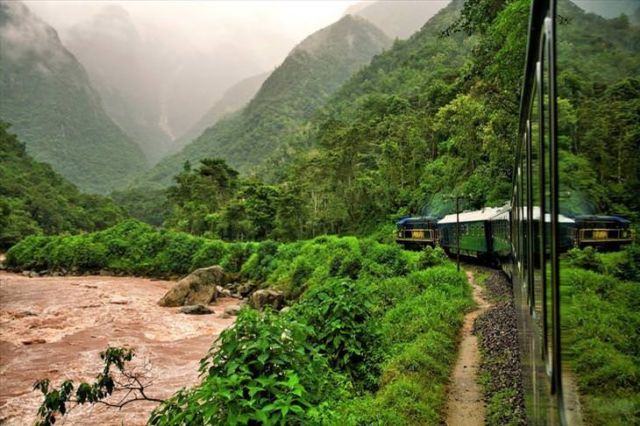

Snackpacking turns a day trip into a small tasting route. Choose a bakery, a market and one local snack stall, then leave room for an unplanned stop. The idea has appeared in travel trend coverage for 2026, but you do not need a complicated itinerary to try it.
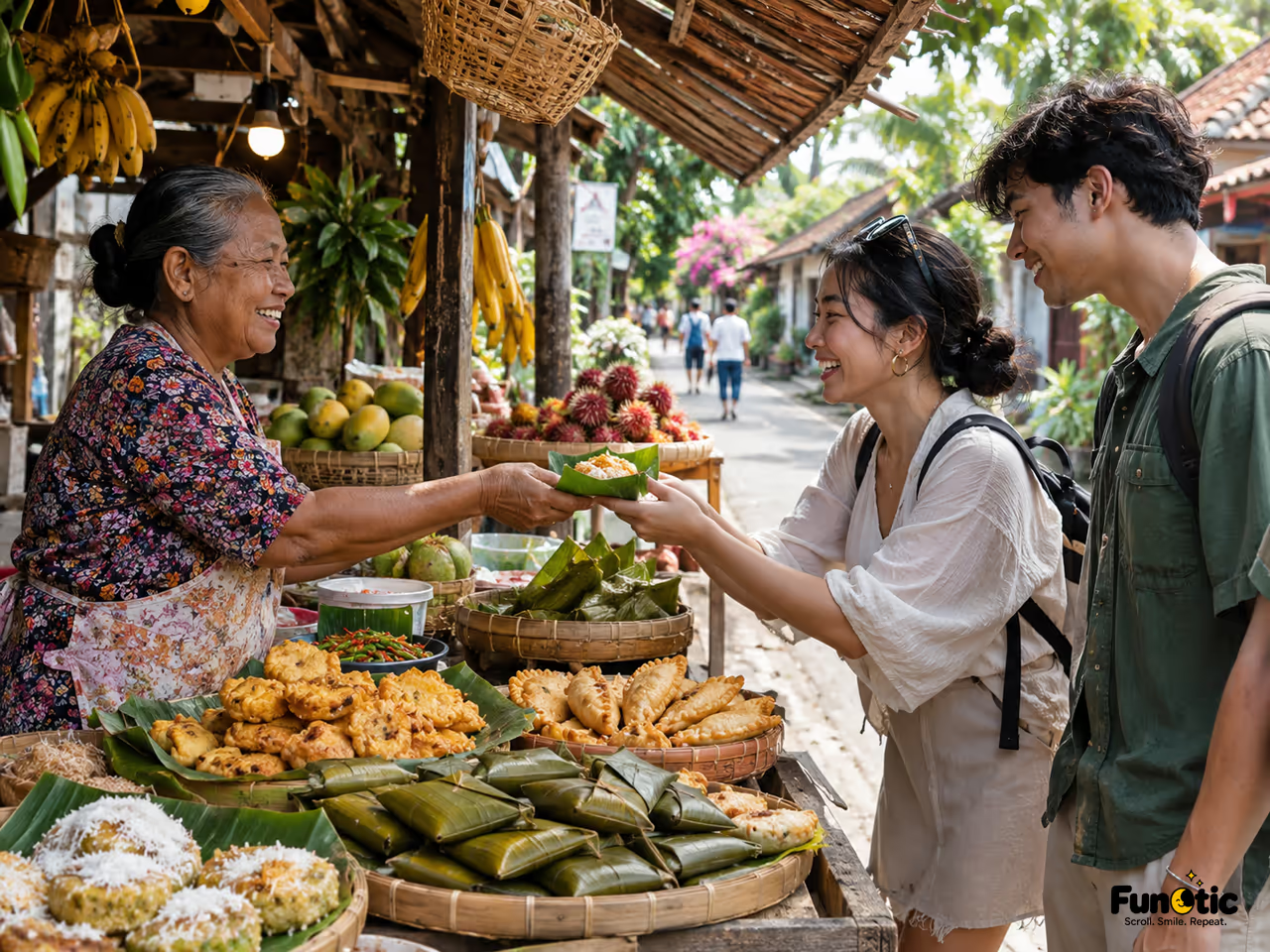
Plan a snackpacking route with three stops
Start by choosing a walkable area rather than trying to cover an entire city. Mark a bakery near your arrival point, a market or food hall for the middle of the trip, and a final stop near the station or car park. This gives the day a shape while leaving time for the place itself.
Check opening hours before you travel. Markets can be busiest in the morning, and smaller bakeries may sell out of popular items. If you are using public transport, note the time of the last convenient return. A short list of options prevents a closed stall from derailing the day.
Keep the route flexible. Choose one must try stop and treat the rest as possibilities. If a street looks lively or a local recommends a nearby counter, you can adjust without abandoning the plan.
Ask useful questions at the counter
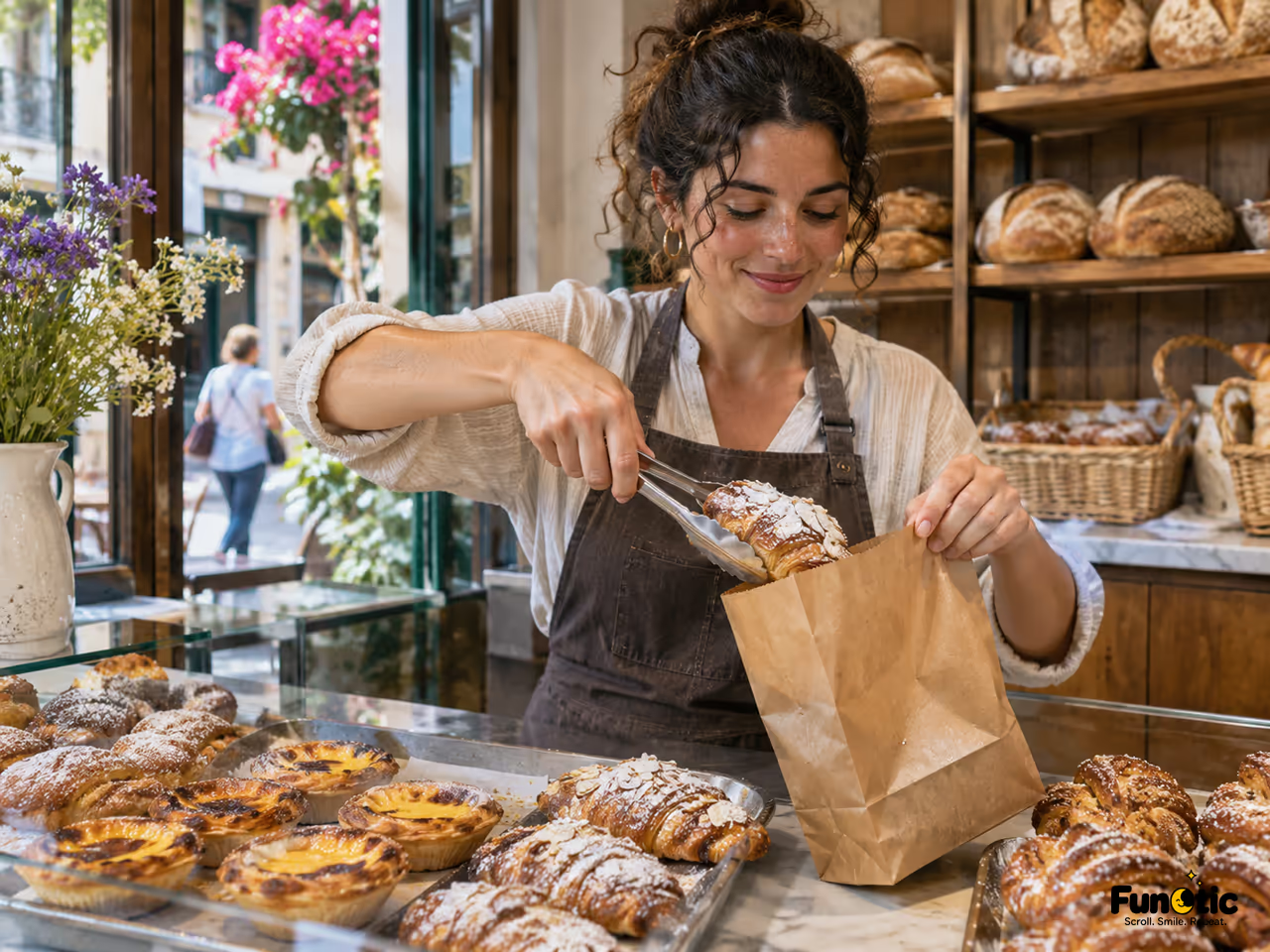
Simple questions often lead to better choices. Ask what people nearby tend to order, what was made that morning or which savory item is typical of the area. If several versions are available, try the plain one first so you can notice the filling, seasoning or texture.
Look for dishes prepared in small batches and served regularly. A queue can be a clue, but it is not a guarantee of quality. Notice what customers are buying and whether the food is being kept at a safe temperature. For an unfamiliar snack, one small portion is enough to decide whether you want more.
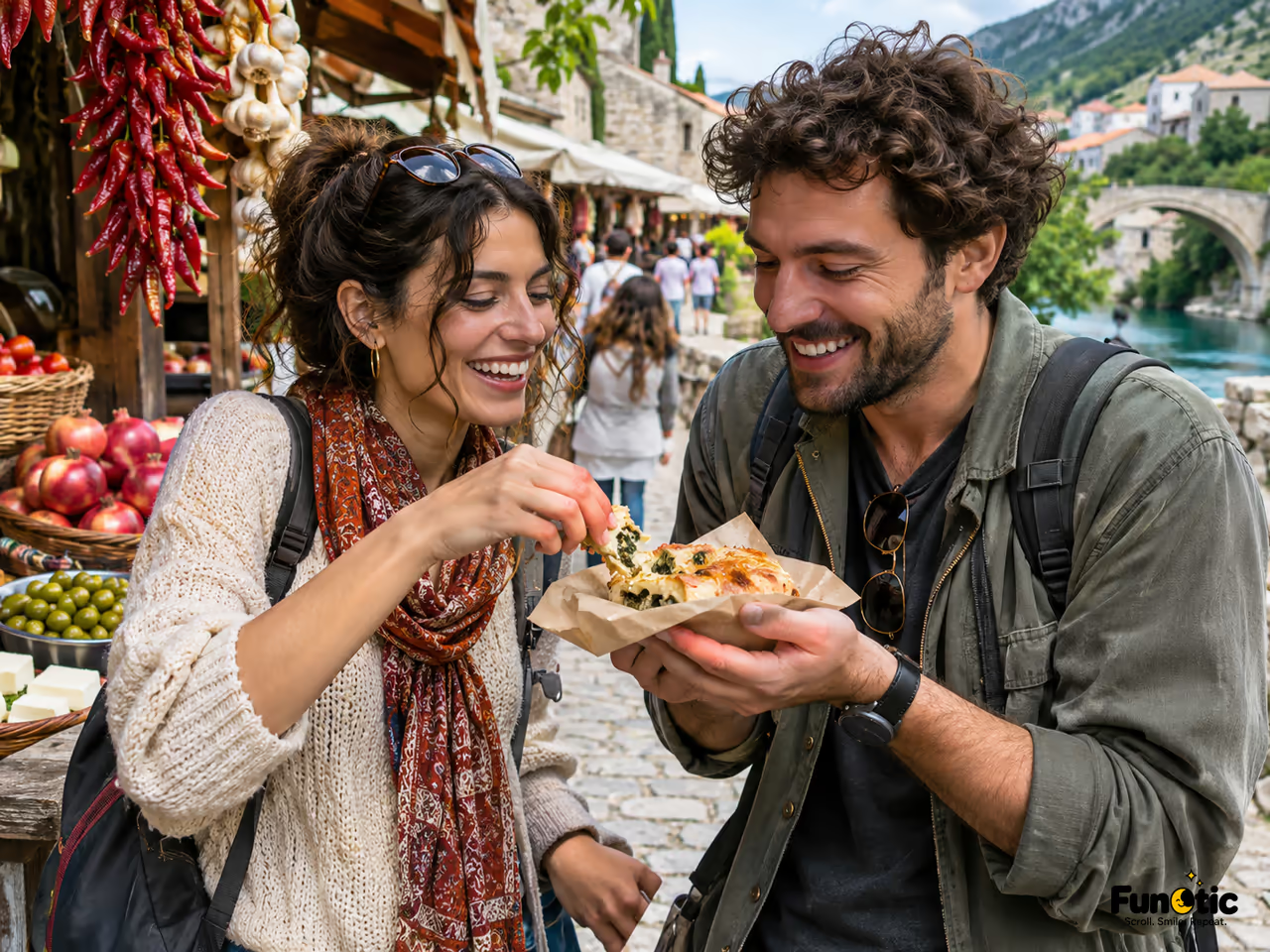
Traveling with a companion makes sharing easier. Two people can split a pastry and a savory bite, then compare notes. If you are alone, ask whether a half portion is available or choose items that can be carried without making a mess.
Pack for comfort and food safety
Carry water, napkins and a small reusable bag. Eat hot food while it is hot, and save only sealed or dry items for later. Avoid leaving dairy, meat or other perishable snacks in a warm bag. If you have an allergy or dietary restriction, ask directly about ingredients and cross contact. Skip a dish if the vendor cannot answer confidently.
Take a quick photo of the stall sign or menu before walking away. A note with the neighborhood and the name of the snack helps you remember what you liked. It also makes it easier to recommend the place to a friend without relying on a vague description.
Leave space for the destination
Snackpacking works best when food is part of the day, not the whole schedule. Walk between stops, visit a small museum or take a scenic route through the neighborhood. Keep portions small enough to enjoy lunch or dinner later. If the first market is crowded, move to the backup bakery or try a shop recommended by a local.
For a route built around food, choose a town with a distinct market, bakery tradition or regional specialty. Travel coverage from Euronews on 2026 travel trends uses the term snackpacking for trips shaped by local bites. Find more trip ideas in Funotic’s Travel section.
Keep the pace relaxed
Set a simple spending limit before you start, especially if you plan to visit several stalls. You can still enjoy variety by choosing a few shared portions instead of one large meal at every stop. A short walk between tastings gives you a chance to notice the neighborhood and decide what to try next. The best snackpacking route leaves enough time for a conversation, a view or an unexpected turn down a side street.